

Dinner is done, but dark rings still cling to your glass stovetop after a careful wipe. Scrubbing harder feels risky, yet the usual cleanup routine keeps leaving those marks behind.
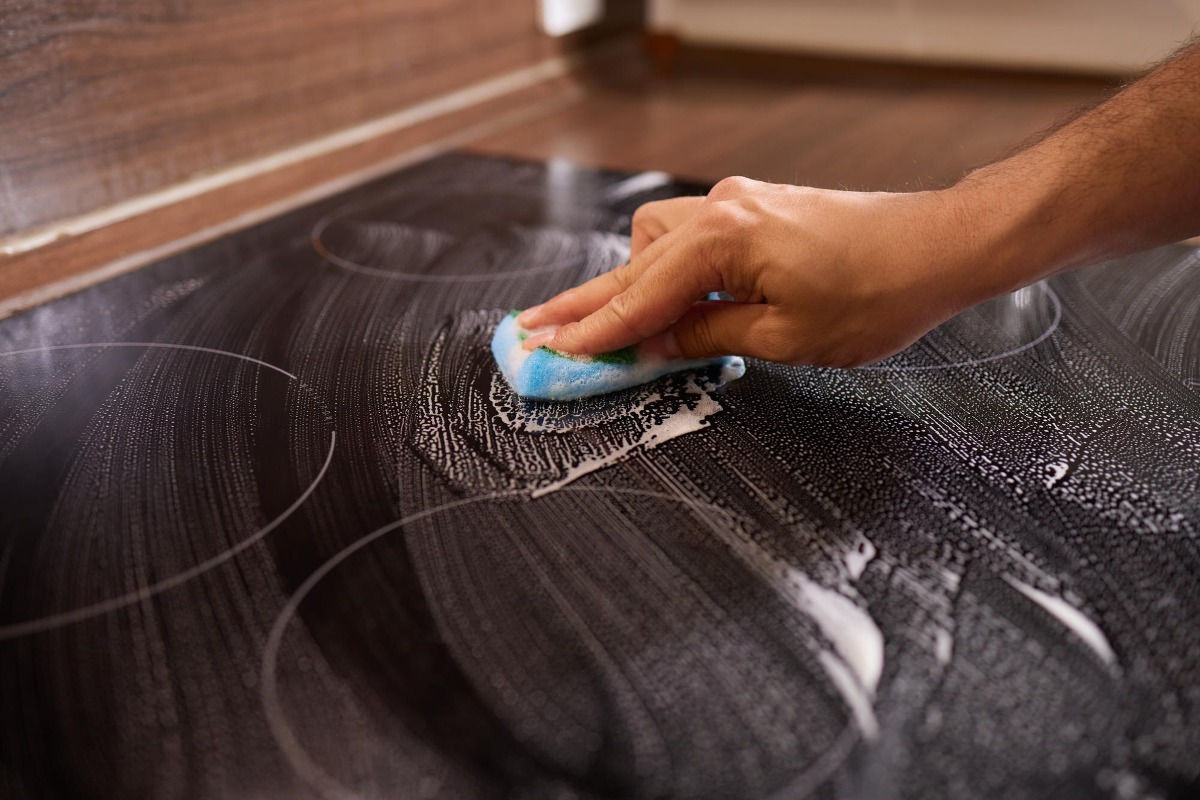
A saucepan boils over, leaving a brown outline where the spill touched the glass cooktop. Once the surface cools, a damp cloth picks up the loose splatter but leaves the baked-on ring. Scrubbing harder risks scuffing the glass without loosening the residue. A gentler next step may help with lighter marks, while heavier buildup calls for checking the cooktop maker’s instructions.
A cooktop cream is the best first choice for burnt rings
For burnt rings on a glass cooktop, start with a dedicated glass-cooktop cream such as Cerama Bryte. It is made for the surface and can remove lighter rings without the scraping that heavy, baked-on food may require. Check the appliance manual before cleaning, since its product instructions take priority.
- Not bleach and not OxiClean, the way to get the yellow out of white shirt underarms
- Putting a damp paper towel over a plate in the microwave, what happens to pizza and pasta after 60 seconds
Rings form when spilled food or liquid heats and sticks to the cooktop, leaving residue that water alone may not lift. A dark ring can also include mineral haze. Cleaning it with the wrong powder or a rough pad risks scratching the glossy surface rather than removing the mark.
Cerama Bryte removes lighter residue without a blade
Wait until the cooktop is cool. Shake the Cerama Bryte bottle, put a quarter-sized amount directly on the ring, and rub with a cooktop cleaning pad or dry paper towel. Buff with a soft cloth, then wipe away any remaining cleaner with a damp cloth. Work on 1 ring at a time so the cleaner does not dry across the surface.
Gentle rubbing gives the cream contact with residue while limiting abrasion. If a ring remains, repeat the process rather than pressing harder. Cream alone may not remove a thick, raised layer of burnt food; continuing to scrub that crust can damage the surface.
Bar Keepers Friend needs a manual check first
Bar Keepers Friend powder is another commonly used option for burnt rings. Its oxalic acid helps loosen mineral and burnt residue, but the powder is also mildly abrasive. That matters because Whirlpool warns against abrasive powder cleansers on ceramic glass cooktops. GE instructions favor Cerama Bryte rather than general household cleaners.
If the cooktop manual permits Bar Keepers Friend, dampen a small stained area, add a small amount of powder, and rub gently with a soft, nonabrasive cloth or sponge. Rinse thoroughly with water and dry with a soft cloth. Do not leave powder sitting on the surface or use extra pressure to attack a stubborn ring. If the manual rules out abrasive powders, use the approved cooktop cream instead.
Heavy crust calls for a different approach
For raised, burnt-on food, Cerama Bryte’s directions call for removing the crust with a single-edge razor blade or cooktop scraper before applying the cream. Follow the cooktop manual and keep the scraper at a 45-degree angle; Whirlpool recommends that angle for careful scraping. Do not scrape a hot cooktop. If a mark persists or the surface appears damaged, stop and ask the manufacturer or an appliance service professional for guidance.
Skip steel wool, rough pads, ammonia-based glass cleaners and chlorine bleach; these can damage the surface or conflict with manufacturer instructions. Never mix bleach with vinegar or ammonia, and keep cleaning products and blades away from children and pets. Once the cooktop is safe to touch, wipe up new spills before the next cooking session bakes them into another ring.



Leave a Reply