

You clean your Keurig with vinegar, but the chalky white residue returns and your morning coffee starts dripping more slowly. Why does the same problem keep coming back after a thorough cleaning?
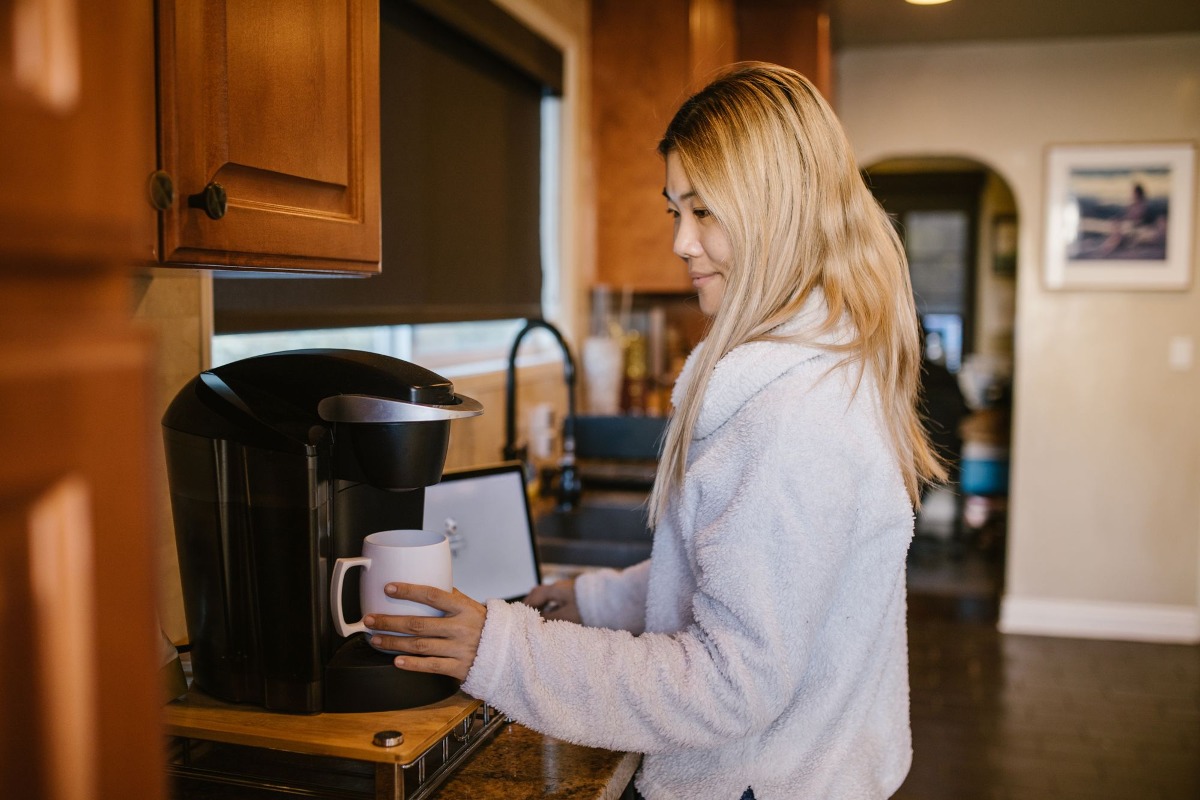
The first cup from the Keurig is lukewarm, even though the machine sounds normal while brewing. Vinegar may seem like the obvious next step, especially if it helped before. But another cleaning can leave the same trouble waiting to return. A small change in everyday upkeep may help the results last longer.
Hard water makes scale return after descaling
The white buildup inside a Keurig is scale, and it returns when minerals in hard water are left behind as the machine heats water. Vinegar can dissolve some of those deposits, but it does not eliminate them or stop new ones from forming. This is especially noticeable in households that use hard tap water every day.
- Does soaking beans overnight actually matter, and the test kitchens that skipped it got a clear answer
- Putting 6 Cups of Brewed Coffee in a Simmer Pot on Thanksgiving Morning, What It’s For and Why It Works
Scale is made mostly of calcium carbonate and magnesium deposits. It can collect in the heater tank, pump and connecting fittings, where buildup may slow water flow or contribute to system errors. Deposits around the heating element can also insulate it, so coffee may come out less hot than it used to.
Vinegar removes some scale but has limits
White distilled vinegar contains acetic acid, which reacts with calcium and lime deposits. A common DIY approach uses a 1:1 mixture of vinegar and water in the reservoir, followed by plain-water rinsing cycles. That can reduce scale, but thick deposits may remain, and a vinegar smell may linger after rinsing.
Keurig does not officially recommend vinegar for descaling and says alternative methods could affect the warranty. Owners should not assume that a vinegar cycle has cleared internal passages simply because the visible parts look clean. If flow remains weak or the machine shows an error after descaling, consult the model’s instructions rather than repeatedly running vinegar through it.
Regular descaling and filtered water slow buildup
Keurig recommends its citric-acid-based Keurig Descaling Solution instead of vinegar. Follow the directions for the specific brewer and solution, including the required rinsing steps, rather than guessing at a dilution or cycle length. Keep cleaning products away from children and pets, and never mix bleach with vinegar or ammonia.
Descaling every 3 to 6 months is a general starting point for a pod coffee maker. Harder water and heavier daily use can call for more frequent descaling because each heating cycle can leave more minerals behind. Filtered water can reduce the minerals entering the machine, but it does not replace descaling altogether.
Used K-Cup pods need a local recycling check
Descaling maintains the brewer; handling its used pods is a separate task. Genuine K-Cup pods have been made of recyclable polypropylene (#5) plastic since 2020, but a recyclable material is not necessarily accepted by every local program. Check whether the local recycler takes K-Cup pods before putting them in the curbside bin.
To prepare a used pod, let it cool, peel off the foil lid starting at the center puncture hole, empty the grounds and rinse the plastic cup. Recycle the cup only if the local program accepts it; otherwise, check Keurig’s K-Cycle mail-back program. Keurig Dr Pepper says it has committed more than $43 million to recycling improvements since 2014, but the practical step at home remains checking local rules before sorting each pod.





Leave a Reply