

Your refrigerator sounds different tonight, and the milk doesn’t feel quite as cold as it did yesterday. Is this a passing quirk, or the first warning that a costly kitchen decision is coming?
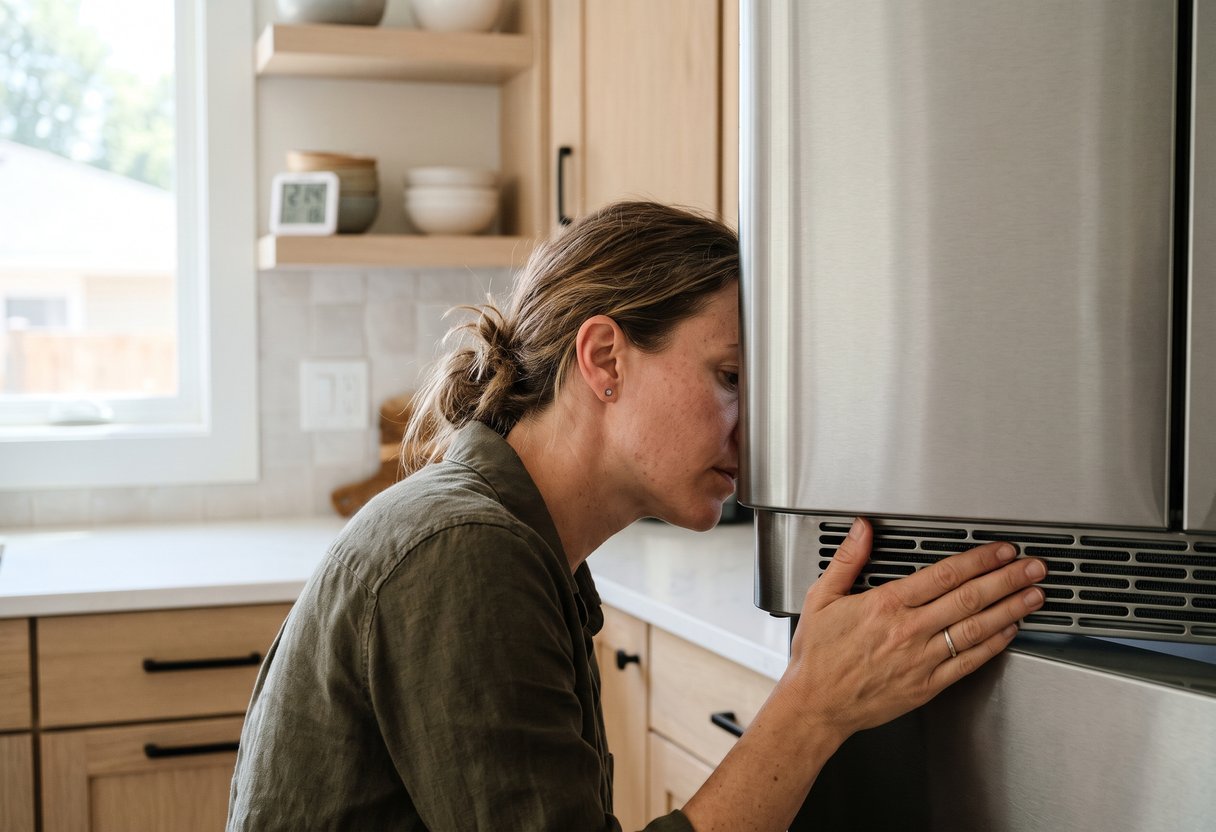
When it is time for dessert, the ice cream is soft even though the freezer door is shut. Turning the temperature dial colder may seem like the obvious fix, but it does not explain why the freezer warmed up. One easily overlooked detail may help show whether the problem is temporary or worth investigating before deciding on a repair.
Refrigerators typically last about 12 years
A refrigerator lasts about 12 years on average, according to the U.S. Department of Energy, although an individual unit may last roughly 10 to 20 years. There is no single sound that means it is about to fail: unusually loud buzzing or humming and repeated clicking can be warning signs, especially when cooling also gets worse.
- KitchenAid mixers hide the year they were built in the serial number, and some from the 1980s still run daily
- Before you microwave leftovers in a plastic tub, check for this label
Design, use, and maintenance affect that range. Top-mount freezer models often last about 14 to 17 years, while French-door models tend to have shorter lifespans. Age is a useful guide for planning, but it does not diagnose a problem on its own.
Changes in noise matter more than normal refrigerator sounds
The compressor is part of the system that keeps a refrigerator cool. A compressor that runs longer than usual, makes a noticeably louder buzz or hum, or is accompanied by poor cooling needs attention. Repeated clicking can also signal trouble, but it may come from a faulty starter relay or a dirty condenser fan rather than the compressor itself.
Not every click calls for repair. Occasional clicking, cracking, or dripping can be part of normal operation; plastic parts, for example, can make noise as temperatures change. A new, persistent sound paired with weak cooling is more concerning than an occasional noise from a refrigerator that is cooling normally.
If food no longer seems adequately chilled, check the refrigerator’s temperature rather than judging by sound alone. Move perishable food to a refrigerator that is keeping it safely cold if cooling is unreliable, and seek qualified service instead of continuing to use a unit that cannot maintain a safe temperature.
Repair costs and age can guide the decision
For a refrigerator under 10 years old, getting a repair estimate is often worthwhile. Typical repair costs range from $40 to $300, while a replacement may cost $750 to $4,000 or more, depending on the model and features. Those ranges are only a starting point; the actual quote and the refrigerator’s condition matter more.
The 50% rule offers a practical comparison: if a repair costs more than half the price of a comparable new refrigerator, replacement is generally the better financial choice. A repair below that threshold may make sense, particularly for a newer unit, but it cannot guarantee how many more years the appliance will run.
Clean condenser coils to reduce strain on the cooling system
Condenser coils release heat from the refrigerator’s cooling system. Dust buildup makes it harder for them to do that job, which can force the compressor to work harder. Cleaning the coils once or twice a year can help, and homes with heavily shedding pets may need to do it more often.
Follow the owner’s manual to locate and clean the coils, and disconnect power before working around them. Cleaning can address dust buildup, but it will not fix a failed compressor or starter relay. If cooling remains poor or repeated clicking continues after routine maintenance, arrange a repair assessment before deciding whether to replace the refrigerator.



Leave a Reply