

You unload the dishwasher and find your drinking glasses looking hazy, even though the plates and silverware are spotless. Before you scrub them again, there’s one thing worth checking.
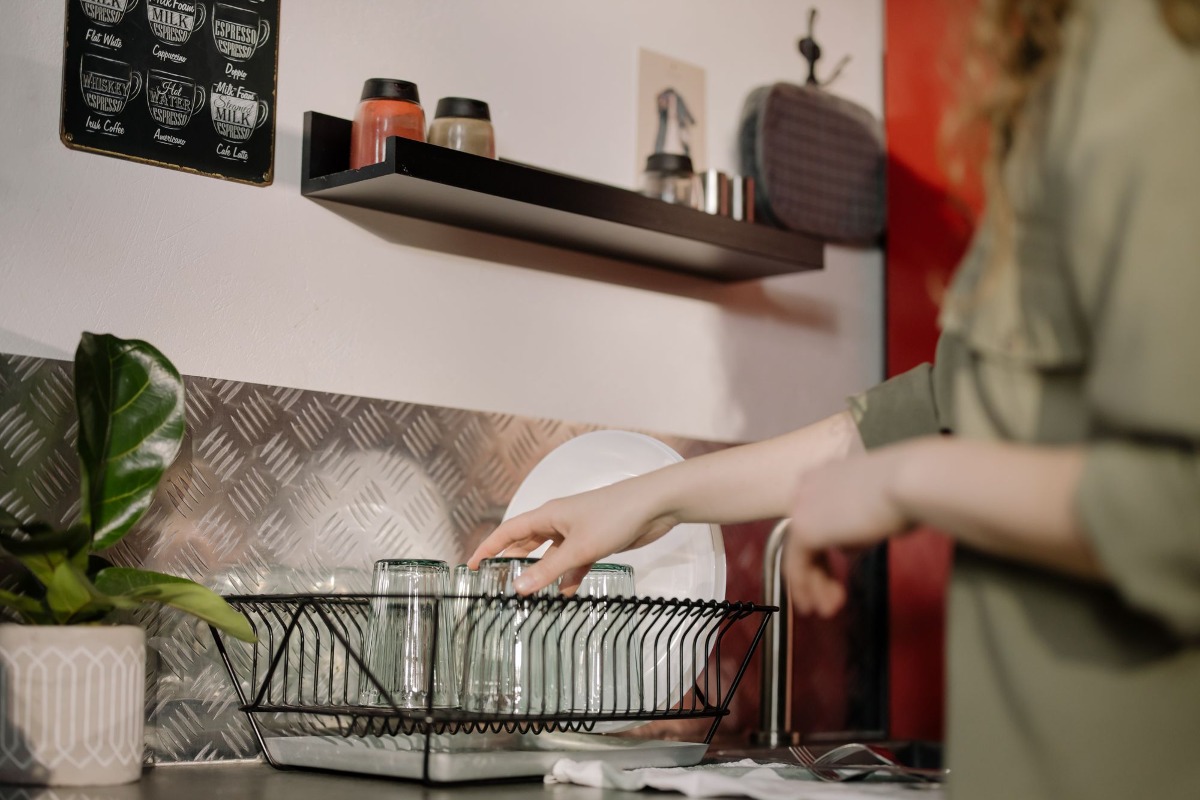
At the dinner table, a drinking glass still looks milky when held up to the light. Another wash may leave the haze unchanged, and rubbing harder will not show what caused it. A simple check can help determine whether the cloudiness is worth trying to clean off.
Vinegar identifies removable film on cloudy glasses
A white vinegar spot test shows whether a cloudy drinking glass has removable mineral film or permanent etching. Vinegar can loosen deposits sitting on the glass, but it cannot repair damage to the glass surface. That difference determines whether cleaning will restore the glass.
- Keurig owners keep descaling with vinegar, and the white buildup comes back for a reason
- Does soaking beans overnight actually matter, and the test kitchens that skipped it got a clear answer
Cloudiness can make a freshly washed glass look dirty even when no food residue remains. Test a small spot before soaking the whole glass, especially if it is decorated or fragile.
Mineral film and etching have different causes
Hard water leaves minerals, including calcium and magnesium, behind as water dries on glassware. The resulting film sits on the surface, so an acid such as vinegar or citric acid can remove it. Hard water combined with too little detergent can contribute to this buildup.
Etching is different: the glass surface itself has been damaged. Using too much dishwasher detergent with soft water can cause this permanent cloudiness. Because there is no separate film to lift away, repeated cleaning will not make an etched glass clear.
A spot test comes before a vinegar soak
Put a little white vinegar on a soft cloth and rub a cloudy spot in a circular motion. Rinse and dry the spot to check the result: if it clears, the cloudiness is mineral film; if it remains cloudy, etching is likely. This vinegar spot test avoids treating permanent damage as a cleaning problem.
For a glass that clears during the test, lay it sideways in enough vinegar to submerge it fully. Soak it for 15 minutes, then hand wash and dry it. Citric acid is another option for mineral cloudiness, but follow the product and dishwasher instructions rather than guessing at an amount for a rinse.
A straight pin can offer another clue: under a gentle scratch, mineral film may flake off, while an etched surface may feel pitted. The vinegar test is the better first step because a pin can scratch glass or slip and injure a hand. Keep pins away from children and pets.
Etched glass needs a different response
Neither vinegar nor citric acid can reverse etching. If the glass stays cloudy after the spot test, replace it if a clear appearance matters rather than repeating acid treatments. Avoid prolonged acid soaks on older, decorative or fragile glassware, and check its care instructions before cleaning beyond a small test area.
Do not add bleach to a vinegar cleaning routine: never mix bleach with vinegar or ammonia. To reduce future cloudiness, check the dishwasher’s water-hardness setting and follow its detergent directions, using less detergent when the water is soft. If hard-water film keeps returning, a rinse aid or water softener may help limit deposits.


Leave a Reply