

Dinner plans call for dried beans, but you forgot to soak them last night and the clock is ticking. Before you change the menu, how much does that missed step matter?
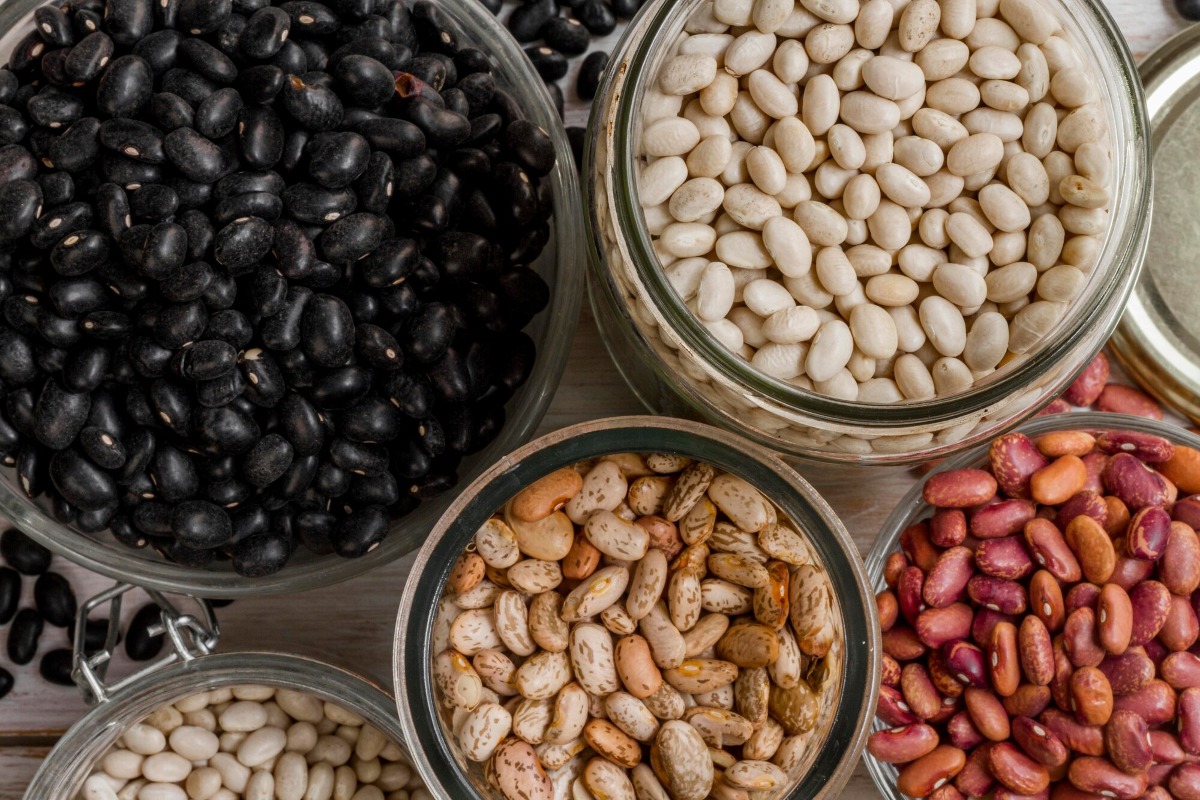
A spoonful of beans from the simmering pot is still firm, though several skins have already split. Turning up the heat seems like the obvious fix, but harder boiling cannot repair split skins. The familiar overnight instruction leaves out a useful distinction about what that wait changes and what it does not. That distinction matters even more when the bag contains kidney beans.
Soaking is optional, but it changes how beans cook
Soaking dried beans overnight is not necessary for most varieties, but it can shorten cooking time and help the beans cook more evenly. The beans absorb water before cooking, so their centers have less catching up to do once the pot is on the stove. Beans cooked without a soak can still become tender; they generally need more cooking time.
- Putting 6 Cups of Brewed Coffee in a Simmer Pot on Thanksgiving Morning, What It’s For and Why It Works
- Putting a cup of water in the oven with the bread, what happens to the crust after 20 minutes
Colorado State University Extension describes soaking as optional and notes that it can improve appearance by preventing beans from bursting. A 2023 study comparing overnight and quick soaks found that both reduced cooking time compared with no soak. Unsoaked beans took the longest, especially at higher elevations.
Salt water helps beans hold their shape
For an overnight soak, America’s Test Kitchen uses 3 tablespoons (45 mL) of salt dissolved in 4 quarts (3.8 L) of water for 1 pound (454 g) of dried beans. University of Maine Cooperative Extension recommends soaking beans for 6 to 8 hours, or overnight, in the refrigerator. After soaking, drain and rinse the beans before cooking.
Salt does more than season the water. Sodium weakens pectin in the bean skins, making them less likely to rupture as the beans swell and cook. That helps produce a creamier texture with fewer split beans, though soaking does not replace cooking them until tender.
When an overnight soak will not fit the schedule, America’s Test Kitchen offers a quick brine: Bring the beans to a boil in the same salt-water solution, boil for 1 minute, then cover the pot and let it stand off heat for 1 hour. Drain and rinse the beans before cooking. This starts hydration sooner, but it is still a soaking step, not a way to serve beans after 1 hour.
Kidney beans need boiling regardless of soaking
Dried kidney beans require a separate safety step because undercooked beans can contain high levels of phytohaemagglutinin, or PHA, a toxin that can cause gastrointestinal illness. University of Illinois Extension advises boiling at 212°F (100°C) for at least 10 minutes to destroy it. Soaking alone does not make kidney beans safe to eat.
A slow cooker alone may not reach the temperature needed to destroy PHA. If dried kidney beans are headed for a slow cooker, boil them on the stovetop for 10 minutes first, then drain and rinse them before adding them to the cooker. Keep children and pets away from the hot pot and from uncooked beans.
The best choice depends on the schedule
Soaking can be useful when shorter cooking time and intact beans matter most. Skipping it may suit a cook with more stove time: Tests with black beans found that cooking them unsoaked can preserve flavor compounds that would otherwise leave with discarded soaking water. In a separate comparison, tasters found no significant flavor difference between beans cooked in their soaking brine and beans cooked in fresh lightly salted water.
For a predictable weeknight pot, soak in the refrigerator overnight or use the 1-hour quick brine. If cooking unsoaked beans instead, allow extra time and check them for tenderness rather than relying on a soaked-bean cooking time.


Leave a Reply