

Your homemade bread can look golden on top yet come out with a crust that feels disappointingly tough. One easy-to-miss step during baking can make the difference.
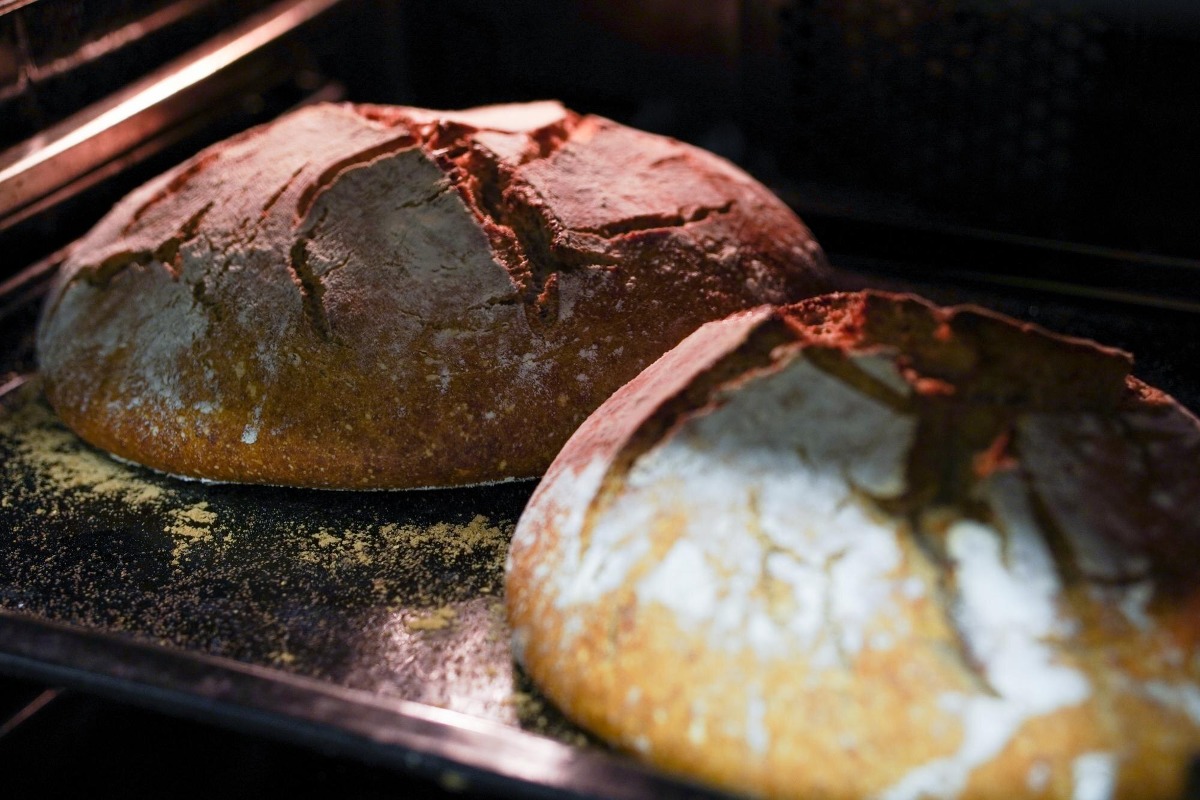
A French-style loaf sits on the counter while the oven finishes preheating. Loading the dough and closing the door may seem like all that is needed, but that routine can leave the loaf with less rise and a crust that is hard rather than crisp. A small change at the start of baking can make a difference by the 20-minute mark, though it is not useful for every type of bread.
Steam gives bread room to rise
Water goes into the oven with bread to create steam, not to soak the loaf. Steam keeps the dough’s surface moist and flexible during the first part of baking, so the bread can expand before its crust sets. That expansion, called oven spring, helps a lean loaf rise rather than turn out squat.
- Before you baste the turkey again, every time the oven door opens costs more than the baste gives back
- Neither oven cleaner nor baking soda, the way to clean the brown streaks between the panes of your oven door
Without enough moisture early in the bake, the exposed surface can dry and harden while the loaf is still expanding. Steam also helps produce a shinier, crisper crust, but it is useful only for the early part of baking. The bread needs a dry oven later so its crust can brown.
A hot pan creates steam at the start of baking
Preheat the oven to 450°F (232°C) with a sturdy cast-iron pan on a rack below the bread’s baking position. When the oven is ready, place the loaf inside, then carefully pour 1 cup (240 mL) of boiling water into the hot pan and close the door. This preheated pan and boiling water method creates a burst of steam when the loaf needs it most.
After 15 to 20 minutes, carefully remove the water pan and finish baking the bread according to its recipe. Use dry oven mitts and keep hands and face away from the steam when opening the door. Do not pour water onto the oven floor or use a glass pan that could crack from the sudden temperature change.
The crust develops after the steam clears
While the dough’s surface stays moist, starch in its outer layer gelatinizes. As the steam clears and that layer dries, it helps form a glossy, crisp crust. Removing the steam source after the early rise gives the crust time to color instead of remaining damp.
More steam is not necessarily better. If the oven stays humid past the loaf’s main expansion period, the crust may not dry, brown, or crisp properly. The first 15 to 20 minutes are the useful window for steaming many home-baked lean loaves.
Lean loaves benefit most from added steam
Steam is especially useful for lean, hearth-style bread with a large exposed surface, such as French-style loaves and sourdough. These loaves rely on early oven spring and a crisp crust, so a surface that sets too soon can noticeably affect the result.
Enriched breads contain added fat, and some breads receive an egg or milk wash. They generally do not need a pan of water to develop their intended soft or golden crust. For those loaves, follow the recipe rather than adding steam by default.
A Dutch oven offers another way to trap steam
If a suitable metal pan is not available, a Dutch oven can hold the moisture released by the dough itself. A common approach is to bake the loaf covered for about 20 minutes, then remove the lid and continue baking until the crust is deeply colored. Follow the bread recipe’s oven temperature and doneness directions.
Use oven mitts when lifting the hot lid, and open it away from the face to avoid escaping steam. Whether using a water pan or a covered pot, the practical goal is the same: keep the dough surface moist while it expands, then let the crust dry for the rest of the bake.


Leave a Reply