

Thanksgiving dinner is getting close, and you’re checking the turkey again, hoping for juicy meat and golden skin. Before you follow a familiar roasting ritual, it’s worth asking whether it helps.
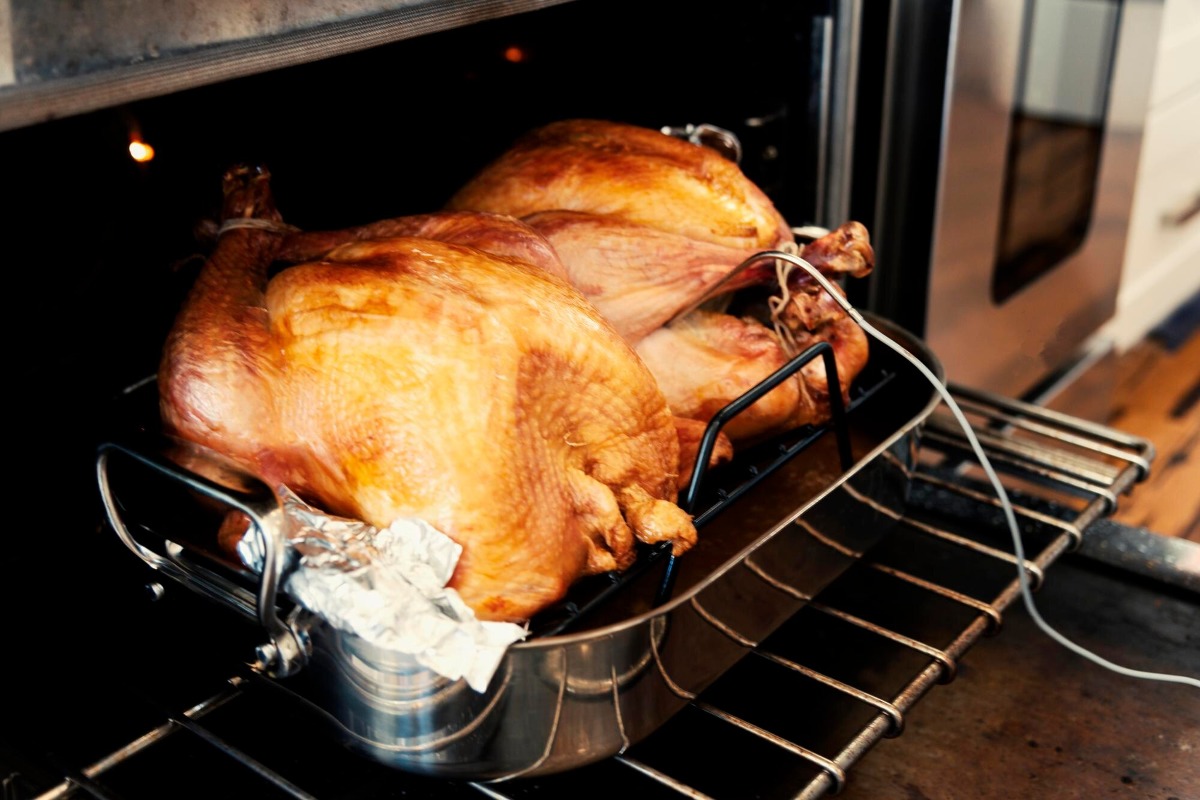
The turkey is back on the oven rack, and a spoonful of pan drippings has just run over its skin. The familiar ritual looks like it should help, yet it may not produce the juicy meat and crisp skin a cook expects. A small change in the roasting routine can make more of a difference.
Basting coats the skin, not the turkey meat
Basting means spooning pan drippings or melted butter over a roasting turkey to try to keep it juicy. It is usually a waste of time because the liquid stays mostly on the skin rather than soaking into the meat. The surface may look moist for a moment, but that coating does not protect the breast meat from drying out.
- Neither oven cleaner nor baking soda, the way to clean the brown streaks between the panes of your oven door
- The pumpkin pie that doesn’t crack on top comes down to one oven step most recipes skip
Butterball’s Turkey Talk Line experts advise that basting is not necessary. It can also make crisp skin harder to achieve: moisture on the surface must evaporate before the skin can brown and crisp. Basting may add flavor to the outside of the bird, but it is not a reliable way to make the meat juicier.
Opening the oven door interrupts roasting
Each time the oven door opens for basting, hot air escapes. Author Shirley O. Corriher notes that leaving the door open for 30 seconds can lower the oven temperature by 150°F or more, although the drop varies by oven and how long the door stays open. It can then take several minutes for the oven to return to its set temperature.
Repeated interruptions can extend roasting and make the cooking environment less consistent. They also expose the skin to both cooler air and more liquid, working against the dry surface needed for crisping. A quick oven-door opening when necessary is different from repeatedly opening it to baste throughout the roast.
Dry-brining prepares the meat before roasting
For an alternative, start with a fully thawed turkey. Coat it evenly with salt 1 to 2 days before roasting, then keep it refrigerated until it goes into the oven. Use a tested dry-brine recipe or the turkey’s package directions for the salt amount, since the appropriate quantity depends on the bird and whether it was already salted.
Given time, salt moves into the meat and changes how its proteins hold moisture. That makes dry-brining more useful for flavor and texture than repeatedly wetting the skin during roasting. Baking powder is an optional addition to a dry-brine rub: it raises the skin’s pH, helping its proteins break down for more even browning and crisping. Use a tested recipe for that addition rather than guessing at an amount.
Safe handling still matters more than basting
Thaw a frozen turkey in the refrigerator at 40°F (4°C) or below before dry-brining; safe refrigerator thawing keeps the bird cold while it defrosts. Keep raw turkey and its juices away from foods that will not be cooked, and wash hands and surfaces after handling it. Dry-brining is not a substitute for checking doneness with a food thermometer.
A pre-brined, self-basting or otherwise pre-seasoned turkey may already contain enough salt, so check its label before adding more. If there is no time to dry-brine, roasting without basting is still a reasonable choice. Keep the oven door closed except when a doneness check is needed, and use the thermometer reading, not the appearance of the skin, to decide when the turkey is done.


Leave a Reply