

You pull a fresh load from your front-load washer, but the laundry smells musty instead of clean. Even after switching detergents, the odor lingers, leaving you wondering what you missed.
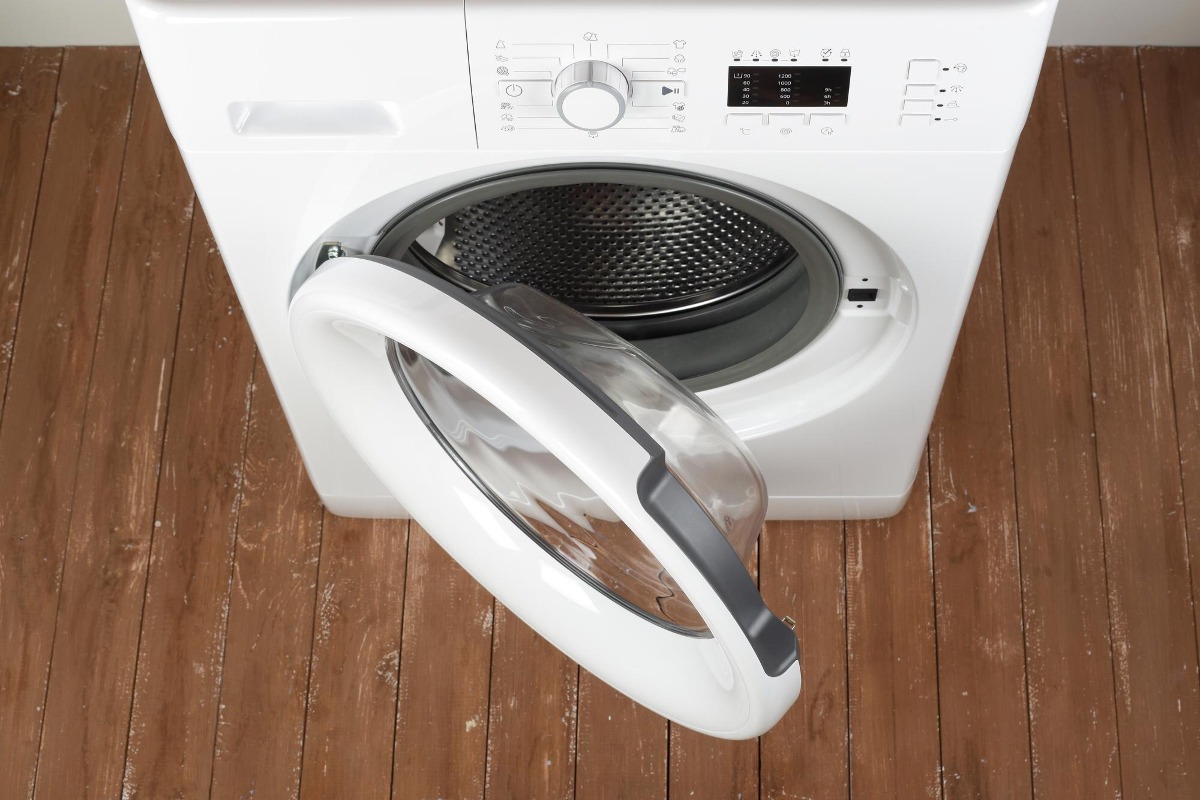
The washer door opens after a hot cleaning cycle, and a stale smell still comes from inside. Running another cycle may clean the drum without reaching every surface where buildup collects. A quick inspection before adding more cleaner can help locate what the cycle missed.
The door gasket is the first place to check
The rubber gasket around a front-load washer door forms a seal that keeps water from leaking during a wash. Its inner fold can also hold water, lint, hair, and detergent residue, making it the first place appliance technicians check when a washer smells musty.
- Neither a razor blade nor baking soda, the way to get the burnt rings off a glass stovetop for good
- Not bleach and not OxiClean, the way to get the yellow out of white shirt underarms
Front-load washers are more prone to this problem than top-load washers because the closed door seals moisture inside. Mold can grow where the fold stays damp, while leftover detergent and fabric softener give grime another place to collect.
Dark buildup can hide inside the fold
Open the door and gently pull back the gasket at both the top and bottom. Check the inner fold for black or dark gray staining, slimy buildup, trapped hair, or small objects. A musty or sour odor near the seal is another reason to inspect it closely.
Look around the full circumference rather than checking only the visible front edge. The fold runs inside the door opening, so buildup can remain out of sight even when the exposed rubber looks clean.
Clean the gasket and dry it thoroughly
First, remove any lint, hair, or loose objects from the fold. For a bleach-based cleaning solution, mix 1 cup of household bleach with 1 gallon of water, but use it only if the washer manual permits bleach on the gasket. Alternatively, wipe the gasket with a rag, then apply undiluted distilled white vinegar with a clean microfiber cloth. Choose 1 cleaner, never both.
With the fold pulled back, use a sponge or cloth dampened with the chosen cleaner to scrub the stained areas and the rest of the gasket. Scrubbing all gasket surfaces helps reach residue hidden behind the lip. Wipe the rubber afterward with a separate clean, damp cloth, then dry the fold and exposed seal completely with a towel.
Airflow helps keep the smell from returning
After each load, leave the washer door slightly open so moisture can escape instead of remaining against the gasket. Leave the detergent drawer open as well if the washer manual allows it. Keep children and pets away from an open washer; close the door when it cannot be left open safely.
Use the detergent amount directed for the product and load rather than adding extra. Excess detergent can leave residue that collects in the gasket. Run the washer’s hot drum-clean or tub-clean cycle about once a month, following its manual for any cleaner the cycle requires.
Persistent odors need a wider check
Never mix bleach with vinegar or ammonia, and ventilate the area while cleaning. Bleach used too often or at a stronger concentration than directed can damage or discolor rubber; if the manual rules it out, use the permitted cleaning method instead.
Cleaning the gasket will not fix an odor coming from a clogged filter, drain hose, or another part of the washer. If the smell remains after the seal is clean and dry, check the manual for the next maintenance step or contact an appliance technician. Keep the gasket dry between loads while the cause is investigated.


Leave a Reply