

You reach for your favorite wooden spoon while making dinner and notice a thin crack along the handle. It seemed fine last week, so what changed during an ordinary stretch of cooking and cleanup?
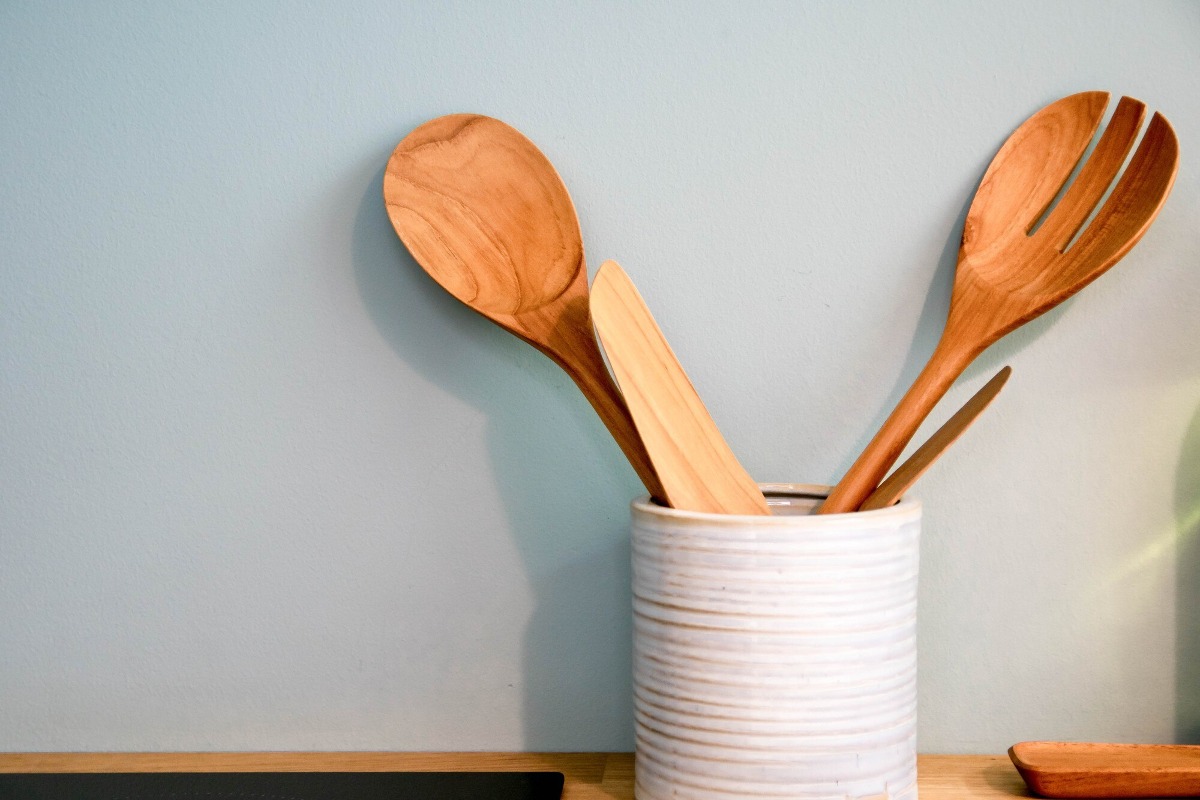
After dinner, a sauce-coated wooden spoon sits beside the plates and glasses waiting to be cleaned. Washing everything the same way may remove the food, but it can leave the spoon rough or misshapen. A small change to the cleanup routine can help prevent that damage without making the spoon harder to clean.
The dishwasher can crack and warp wooden spoons
Wooden spoons should stay out of the dishwasher because repeated exposure to hot water, steam, and detergent can make the wood rough, warped, or cracked. Hand-washing protects the spoon’s surface and helps it last longer. The damage may build gradually, so a spoon that looks fine after 1 cycle is not necessarily safe from later wear.
- Not vinegar and not bleach, the way to get the sticky film off silicone spatulas and baking mats
- Butter can sit on the counter, but the USDA has a limit most people have never heard
Cracks are not limited to the handle. In a comparison involving 13 wooden spoons, an olive-wood spoon developed a crack through its head after 10 normal dishwasher cycles, while the glued strips of a bamboo spoon separated. A visible crack or loose joint is a sign to stop using that utensil for food.
Heat, water, and detergent wear down wood
A dishwasher cycle can reach 155°F (68°C). In the enclosed, steamy machine, wood takes on moisture and swells; as it dries, it contracts. Repeated swelling and drying can leave a spoon warped or cracked, particularly when it spends far longer wet than it would during a quick hand wash.
Dishwasher detergent adds another problem. Together with hot water, it strips oils from the wood, leaving the surface less slick and more likely to feel dull or rough. The drying cycle does not undo the effects of prolonged moisture exposure during washing.
Hand-washing limits the time wood stays wet
Rinse a wooden spoon under warm running water as soon as possible after use, before food dries onto it. Wash it with mild dish soap and warm water, gently scrubbing with a soft sponge, then rinse away the soap. This removes residue without subjecting the wood to a long, hot cycle.
Do not leave the spoon soaking in a sink or try to clean it by boiling. Both keep the wood exposed to water and can speed up warping and cracking. If food has dried on, wash it by hand rather than putting the spoon in the dishwasher to loosen the residue.
Drying and occasional oiling help prevent wear
Dry the spoon thoroughly with a towel immediately after washing instead of leaving it wet to air-dry. Store it in a dry place away from direct heat and persistent humidity. Limiting moisture exposure between uses helps reduce the swelling and drying that can distort wood.
About once a month, apply a thin coating of food-grade mineral oil to a clean, dry spoon. Periodic oiling helps keep the wood from drying out and cracking, but it cannot repair a split or reattach separated bamboo strips. It is routine care, not a substitute for replacing a damaged utensil.
Damaged spoons need a closer look
A spoon that merely feels dry or dull may benefit from hand-washing, thorough drying, and a light coat of mineral oil. If it is cracked, severely warped, or coming apart at a glued joint, replace it for cooking: damaged areas are difficult to clean thoroughly, and oil will not close them.
Keep any discarded cooking spoon out of food preparation. Before reaching for the dishwasher, set wooden utensils beside the sink for a prompt hand wash instead.


Leave a Reply