

A stick of butter left on the kitchen counter makes breakfast easier, but it can also raise a food safety question. How long can it stay there before convenience becomes a risk?
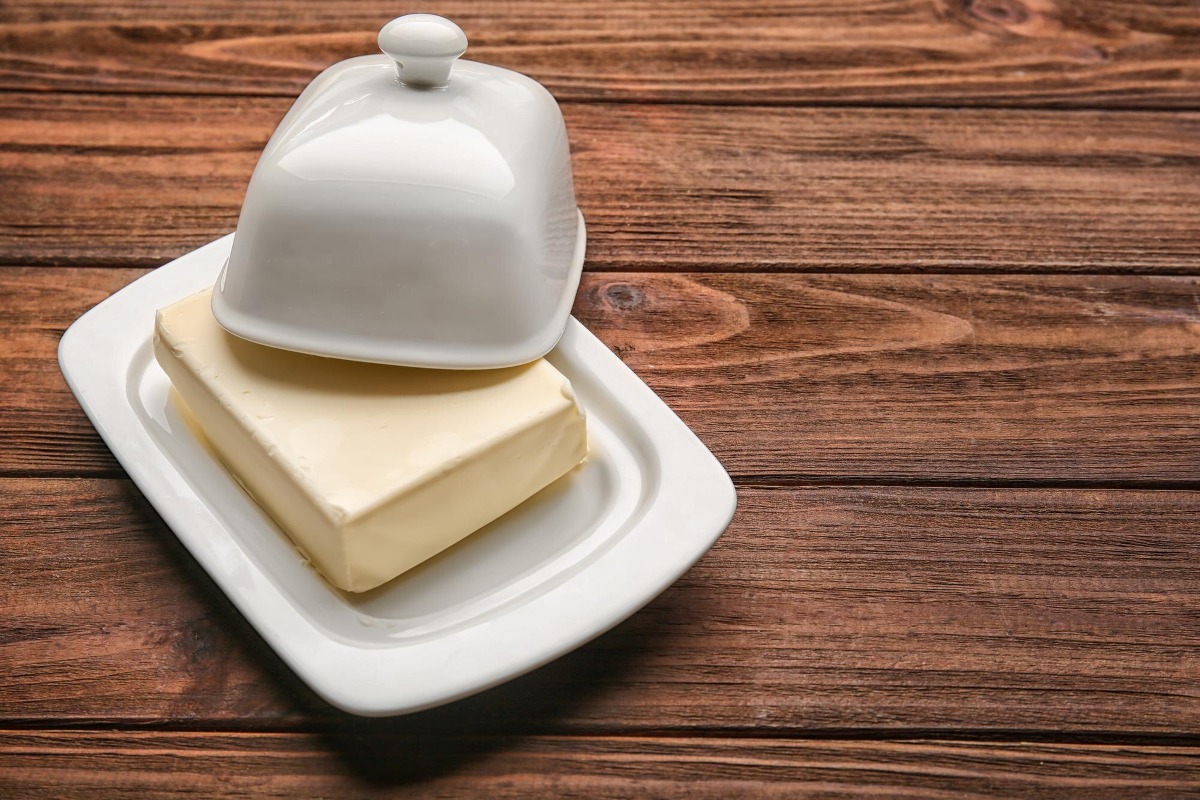
The butter dish is still on the table after dinner, with half a stick inside. Putting the lid on keeps crumbs out, but it does not settle whether the butter should stay there overnight or through the week. A commonly overlooked storage limit makes that decision less of a guess.
Butter can sit out for 1 to 2 days
USDA guidance allows butter to sit at room temperature for 1 to 2 days, not indefinitely. That short window lets a small portion stay soft enough to spread while limiting the time it spends outside the refrigerator.
- Not bleach and not steel wool, the way to get the stains out of the inside of a white enamel Dutch oven
- The number on your ice cream scoop isn’t a model number, and it tells you exactly how much it holds
The choice is not between leaving every stick on the counter and refrigerating butter immediately after each use. Keep most of it refrigerated, and set out only an amount likely to be used within the recommended window. That approach reduces waste if a dish is forgotten or the kitchen gets warm.
Butter’s fat content helps, but salt matters too
Butter is about 80% fat and 16% moisture. With less moisture than many other dairy products, it is less hospitable to microbial growth, though it can still spoil. Salted butter has an additional advantage: its salt helps slow spoilage, making it a better choice for counter storage than unsalted butter.
That difference does not give salted butter an unlimited shelf life or establish a separate USDA counter-storage period for unsalted butter. Michigan State University Extension also recommends only 1 to 2 days at room temperature. Refrigerate unsalted butter when it is not in use rather than relying on salt-free butter to keep as well on the counter.
A covered dish protects counter butter
For short-term counter storage, put a small amount of salted butter in a clean, covered butter dish. Set it in a cool, dry spot away from direct sunlight and heat sources. The cover limits exposure to air and contaminants, while the cooler location helps preserve flavor and texture.
A butter crock or water-seal butter bell can also limit exposure, but it does not remove the risk of bacterial growth. Claims that these containers can hold butter for 1 to 2 weeks should not replace the more cautious 1-to-2-day guidance. Use clean utensils when taking butter from the dish so food crumbs do not collect in it.
Heat and individual needs call for more caution
A warm kitchen makes counter storage a poor choice, even within the usual time window. Return butter to the refrigerator rather than leaving it near a stove or in a sunny window. Land O’Lakes recommends a stricter limit of no more than 4 hours at room temperature before refrigerating its butter again.
Pregnant people, young children, and people with weakened immune systems should avoid room-temperature butter and use refrigerated butter instead. A covered dish or butter bell slows exposure but cannot make the butter risk-free for these groups. If the amount of time butter has been sitting out is uncertain, discarding it is the safer choice.
Refrigeration is the better choice for extra butter
Discard butter that has an unusual odor, taste, or appearance. Do not assume that covering or refrigerating spoiled butter will make it suitable to eat. Michigan State University Extension recommends using refrigerated butter within 1 to 2 months of purchase or freezing it for 6 to 9 months.
Keep extra butter refrigerated or frozen, and refill a small covered dish as needed. That leaves spreadable butter on hand without committing an entire package to counter storage.





Leave a Reply