

After a weeknight casserole, blackened food can cling to a glass baking dish no matter how hard you scrub. One surprisingly simple approach may spare your arms another round at the kitchen sink.
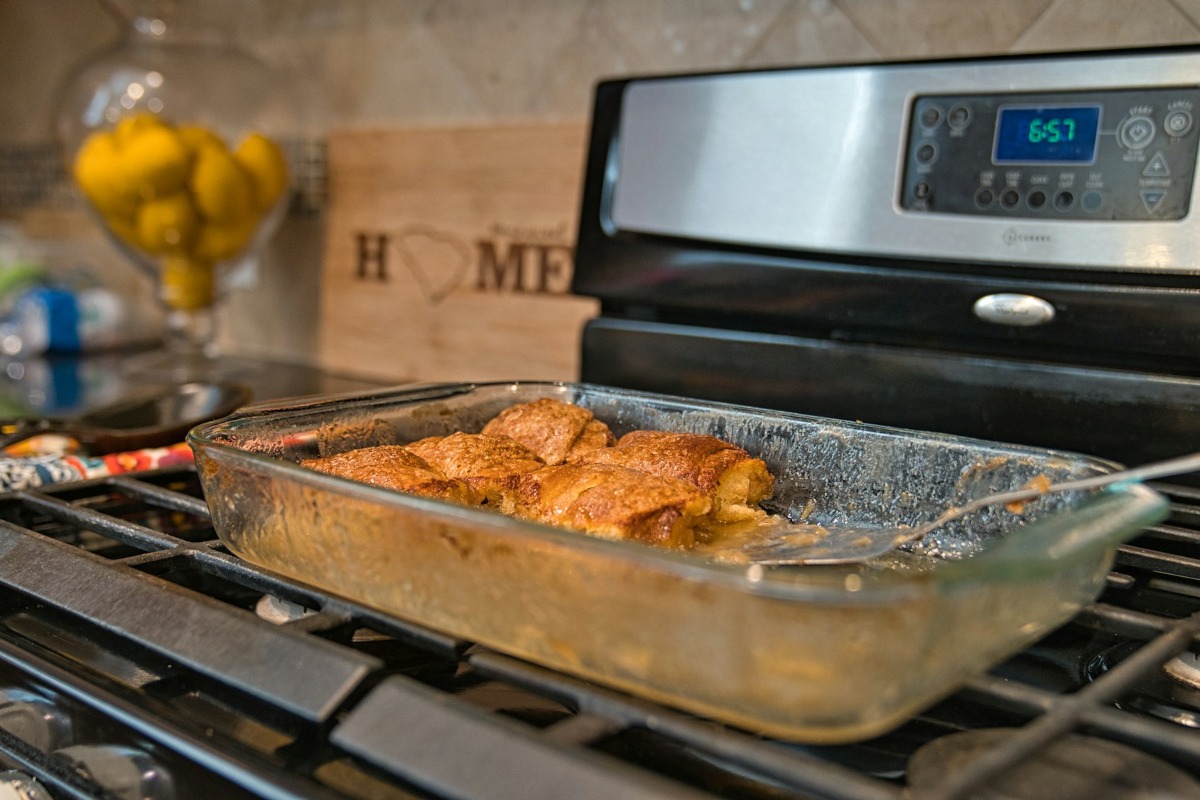
The dishwasher finishes, but dark patches still mark the corners of the glass casserole dish. Running it through again may not help when baked-on food is stuck to the surface. A small change to the soaking routine can make those patches easier to lift before the next wash.
Dryer sheets can loosen baked-on food during a soak
A dryer sheet soaked in hot water can help lift burnt food from glass bakeware, including residue left overnight. The sheet’s fabric-softening and surfactant coating helps loosen the bond between stuck-on food and the glass, so the dish needs less scrubbing.
- Does the “sell by” date on milk mean anything, and the days-after number dairies give is longer than you think
- Putting a slice of bread in the cookie jar, what happens to hard cookies by morning
Let the dish cool completely before adding water. Place 1 or 2 dryer sheets across the stained bottom, then add enough hot tap water to submerge them and cover the residue. Soak for at least 1 hour; leave stubborn buildup overnight before scrubbing with a sponge or dish brush. Repeat the soak if patches remain.
The coating helps release residue from the glass
Oven heat can leave food and grease firmly attached to a casserole dish, which is why a quick wash may not remove them. Water softens the buildup during the soak, while compounds from the wetted dryer sheet help loosen its grip. The water may turn brown as burnt residue comes away.
In laundry, dryer sheets soften fabric and reduce static. Their coating has a different job here: it helps release stuck-on food rather than treating fabric. The soak gives that coating and the water time to reach residue that is difficult to scrub directly.
Stubborn marks may need a different approach
This method can loosen baked-on food, but it will not repair an etched surface or make every old stain disappear. If a spot remains after a second soak, wash the dish with dish soap and water and reassess it rather than scrubbing hard with an abrasive pad. Abrasive cleaning can scratch glass without removing a mark that is part of the surface.
After using dryer sheets, wash the bakeware thoroughly with dish soap, rinse it, and dry it before cooking in it again. Keep the soaking dish and used sheets away from children and pets. Do not add other cleaners to the soak, and never mix bleach with vinegar or ammonia.
Unwanted glass bakeware belongs outside curbside glass bins
Cleaning cannot restore a chipped or broken dish. Glass bakeware is made to tolerate oven heat and differs from the bottle and jar glass handled by standard curbside recycling programs. Pyrex-brand kitchen bakeware is generally made from tempered soda-lime glass; borosilicate glass also presents problems in recycling furnaces set up for ordinary container glass.
Donate an intact dish that is no longer needed if a local thrift store or charity accepts it. Put chipped or broken bakeware in the household trash, not the curbside glass bin; pack broken pieces in a taped-up box first. A sound dish is worth another careful soak, but damaged glass is ready for safe disposal.


Leave a Reply