

Dark patches on the window sill above your kitchen sink can make the whole room feel less clean. But reaching for your usual household cleaner may not be the best next move.
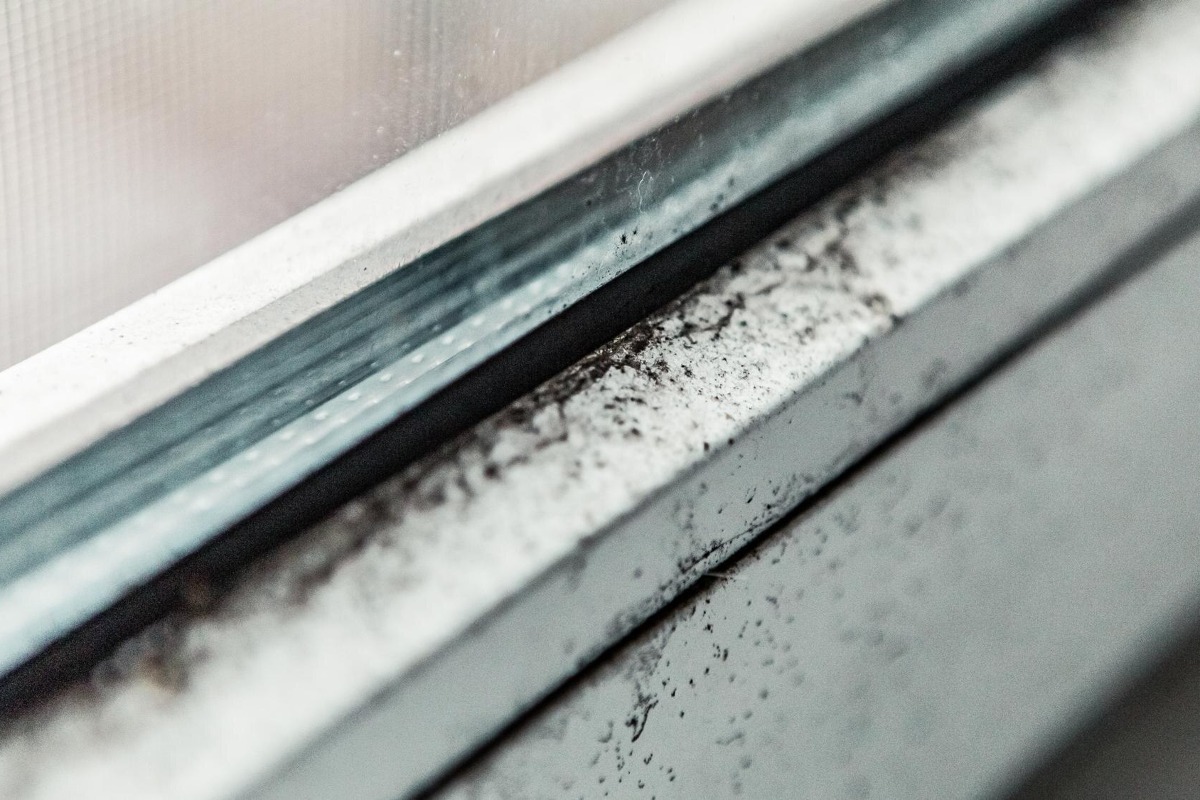
After the dishes are done, droplets cling to the window above the sink, and dark specks show up along the sill. A quick wipe may remove what is visible, but the spots can return when the sill stays damp. Reaching for a stronger cleaner is not necessarily the safest next step. A simpler cleaning choice can help, though drying the sill and addressing the moisture still matter.
A 3% hydrogen peroxide solution cleans hard window sills
For a small patch of black mold on a hard, nonporous window sill, spray on 3% hydrogen peroxide and let it sit for 10 to 15 minutes before wiping or scrubbing. Hydrogen peroxide acts on surface mold through oxidation, but cleaning alone will not fix the moisture problem that allowed it to grow.
This method is suited to glass, tile, and sealed laminate. It may also be useful on an intact painted sill, but raw wood and damaged finishes can absorb moisture and harbor mold beyond the surface. Check the sill’s material and condition before spraying.
- Should you salt the water before or after it boils, cooks disagree and it matters for the pot
- Neither vinegar nor lemon, the way to get the fish smell out of your kitchen by the next morning
Condensation gives mold the moisture it needs
Window sills near kitchen sinks and in bathrooms often collect moisture. When warm, humid indoor air meets cold glass, water can condense, run down, and pool on the sill. Steam from cooking can add to that humidity, especially when ventilation is poor.
Mold may return if the sill stays damp, even after the visible growth has been removed. Look for recurring condensation and leaks around the window rather than treating each new patch as a separate cleaning job.
Clean the sill and dry it thoroughly
Put standard pharmacy-strength 3% hydrogen peroxide in a spray bottle. Wear disposable gloves, a mask, and protective goggles to limit contact with mold and the cleaning solution. Keep children and pets away from the area while cleaning.
Spray the moldy area until it is wet, then wait 10 to 15 minutes. Gently scrub with a cloth or soft-bristled brush, wipe away the loosened material with a damp cloth, and dry the sill thoroughly with a clean towel. Dispose of a cloth or brush if it is heavily contaminated.
There is another option for a hard surface: the EPA says mold can generally be removed by scrubbing with detergent and water, followed by prompt, thorough drying. Neither method will keep mold away if moisture continues to collect.
Keep cleaners separate and recognize the limits
Use hydrogen peroxide by itself. Do not combine it with vinegar, bleach, ammonia, or another cleaner. In particular, the CDC warns that mixing bleach with other cleaners can create toxic vapors.
Peroxide does not penetrate porous material well, so wiping a moldy raw-wood sill may leave growth beneath the surface. If mold persists, returns despite moisture repairs, or has affected damaged material, seek help assessing the window and whether the affected material needs replacement.
Control moisture to keep the sill clear
Dry condensation when it appears, check for leaks, and improve airflow around the window. Ventilation or a dehumidifier can help reduce indoor moisture, while curtains and blinds should leave room for air to move around the sill.
Inspect the window regularly after cleaning. A dry sill and a repaired moisture source matter more than repeating the same cleaning treatment whenever a dark patch appears.






Leave a Reply