

You buy a bunch of bananas for the week, but brown spots show up before you can eat them all. Why does a seemingly fresh bunch turn so quickly on your kitchen counter?
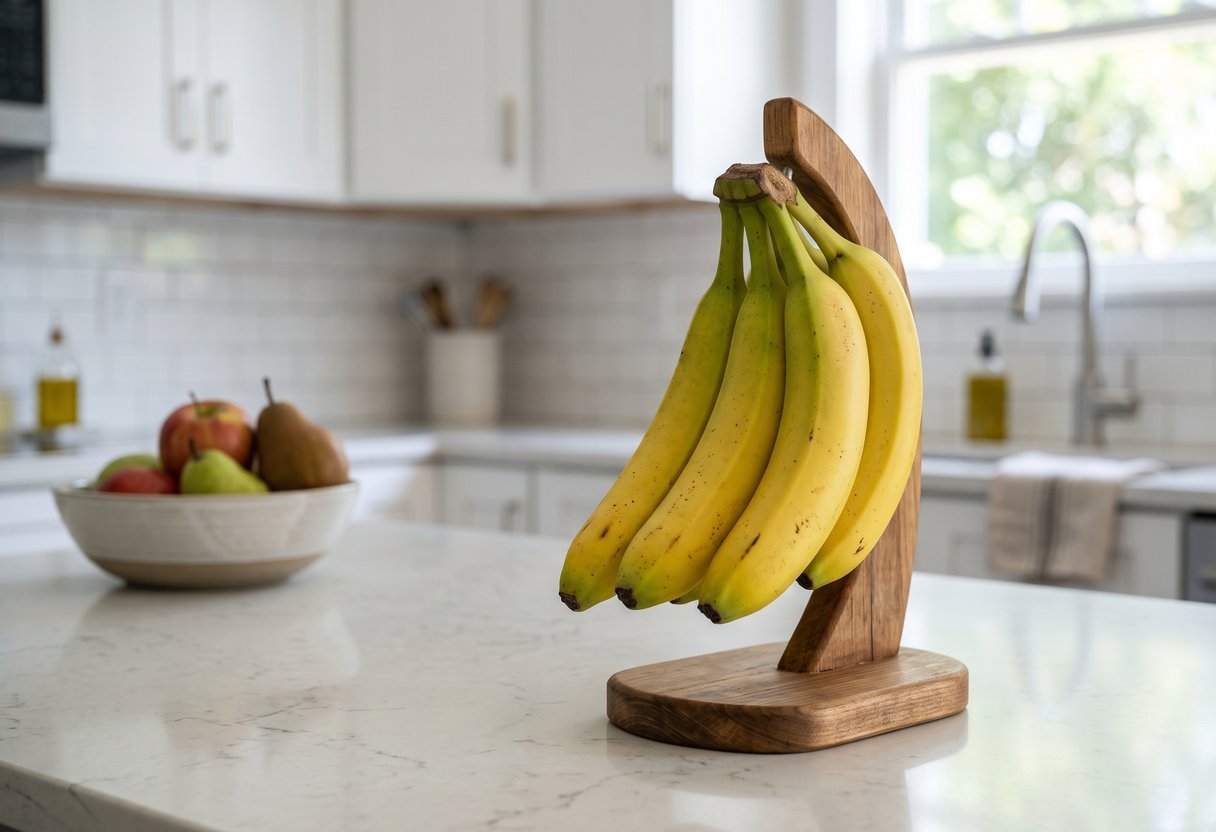
By midweek, the bananas in the fruit bowl have gone from yellow to heavily spotted, with a soft one at the bottom of the bunch. Putting underripe bananas in the refrigerator can disrupt ripening, while leaving them beside other fruit can expose them to more ethylene gas, which speeds it up. A small change in where the bunch sits can help it stay yellow longer.
Bananas ripen faster around other fruit
Bananas release ethylene, a natural plant hormone that triggers ripening. As they ripen, the flesh softens and the peel develops brown spots. Apples, pears, and avocados also release ethylene, so keeping them next to bananas can speed the process.
Temperature and moisture matter, too. Heat encourages ripening, while moisture trapped around the fruit can promote mold. A bruised banana may soften sooner at the damaged spot, but a brown peel alone does not mean the flesh has spoiled.
Countertop storage works best before bananas are ripe
Choose bananas with little bruising if they need to last several days. Keep them out of produce bags in a cool, shaded spot with good airflow, ideally around 55°F to 70°F (13°C to 21°C). Set them away from apples, pears, and avocados, as well as sunny windows and heat sources.
A banana stand can reduce pressure on the fruit and help prevent bruises. Wrapping just the bunch’s crown with plastic wrap or foil may slow ripening somewhat, but it will not stop ethylene production. Rewrap the crown after removing a banana, and keep loose plastic wrap away from young children and pets.
Separating bananas from the bunch is another option, though results vary. Organic bananas are not a reliable shortcut to longer storage life; their ripeness and handling matter more than the label. Check the fruit daily so ripe bananas can be used or moved before they become too soft.
Refrigeration helps only after bananas ripen
Once bananas are yellow and ready to eat, put them in the refrigerator to slow further softening. Their peels may turn nearly black, but the flesh can remain usable for another 1 to 2 weeks. Check the fruit rather than relying on the calendar, and discard bananas with mold, a sour smell, or leaking, slimy flesh.
Do not refrigerate green bananas to make them last longer. Cold can interrupt normal ripening and leave the texture unpleasant. If ripe bananas are already too soft for eating out of hand, use sound fruit in banana bread or muffins instead.
Freezing saves ripe bananas for later recipes
Peel ripe bananas, cut them into slices, and spread the slices in a single layer on a tray. Freeze until firm, then transfer them to an airtight freezer bag or container. Freezing the pieces separately keeps them from sticking together, while the sealed package limits freezer burn.
Frozen bananas work well in smoothies and baked goods, but thawed slices will be soft rather than firm. Freezing preserves usable fruit; it does not make moldy or spoiled bananas safe to eat.
Acidic juice slows browning on cut bananas
Banana slices brown when enzymes in the exposed flesh react with oxygen. Lightly coat slices with lemon, lime, or pineapple juice, then place them in an airtight container in the refrigerator at 40°F (4°C) or below. Use them within 2 days.
Juice can slow discoloration, but it cannot restore slices that have already softened or spoiled. For the best texture, cut bananas shortly before serving; freeze any extra ripe fruit before it goes bad.
Leave a Reply