

Dinner is over, but the smell of cooked fish still hangs in your kitchen long after the dishes are done. Will it still be there when you walk in tomorrow morning?
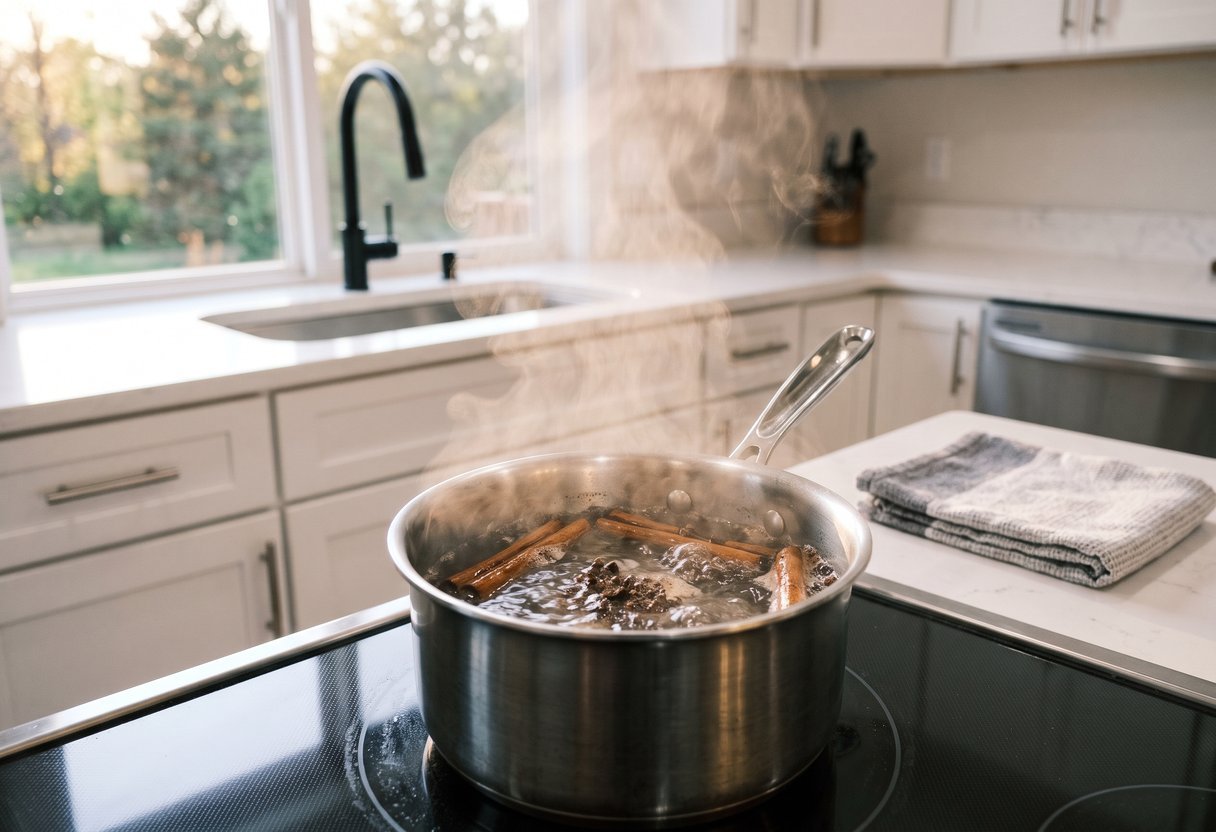
While fish cooks, the range hood hums and the kitchen window is open, yet the odor reaches the hallway. Ventilation helps move cooking odors out, but it may not be enough to keep the smell from lingering. A simple extra step at the stove may help, though burnt bits and grease splatters still need to be cleaned up.
Simmer cinnamon and cloves to freshen the kitchen
A pot of simmering cinnamon and cloves can make a kitchen smell fresher after fish is cooked. The warm, spiced aroma helps cover lingering fish odor while ventilation carries cooking fumes out of the room. It is a useful evening step, but it does not replace removing the source of the smell.
- Your can of pumpkin pie filling and your can of pumpkin purée aren’t the same thing, and the label shows it in one line
- Not oven cleaner and not steel wool, the way to get the black burnt rings off electric stove drip pans
Fill a medium pot with about 6 cups (1.4 L) of water. Add 2 to 3 cinnamon sticks and 1/4 teaspoon of ground cloves, bring the water to a boil, then reduce the heat and simmer for 15 to 30 minutes. The mixture can simmer during cooking and afterward, as long as someone is there to watch the pot and add water if needed.
Turn off the burner before leaving the kitchen or going to bed. An unattended pot can boil dry, and hot water should be kept out of reach of children and pets. The goal is to freshen the kitchen before bedtime, not to leave the stove running overnight.
Fish odor starts with a compound in the fish
Fresh fish contains trimethylamine oxide (TMAO). After the fish dies, bacteria and enzymes convert it into fishy-smelling trimethylamine (TMA). Cooking releases odors into the air, where they can linger in a closed kitchen.
Cold-water fish such as cod can develop a stronger fishy smell than some other species. A poorly ventilated kitchen gives those odors more time to settle on nearby surfaces. Cinnamon and cloves add a more pleasant scent to the air, but the simmer pot should not be treated as a proven way to chemically remove TMA.
Remove scraps and grease before treating the air
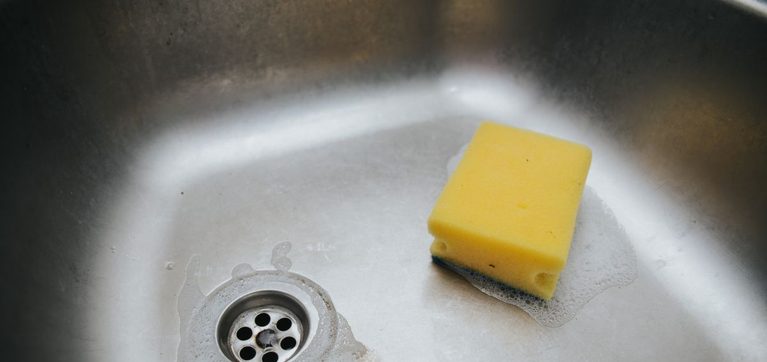
Put fish scraps in the trash and take the trash out after cooking. Wash dishes, utensils, and the sink, then clean any grease splatters around the stove. Odor can persist when scraps or grease remain, especially if the fish burned; scented steam cannot clean those surfaces.
Run the range hood during cooking and afterward, or open a window when conditions allow. Moving air out of the kitchen helps prevent cooking odors from settling, while the simmer pot addresses the smell that remains. If a drain smells fishy, check it for trapped scraps and clean the drain rather than relying on fragrance in the room.
Other remedies have different limits
Lemon juice applied to fish before cooking may help reduce odor at the source. Citrus peel, ginger, rosemary, or vinegar are other ingredients used to address kitchen smells, but none will fix grease left on a stovetop or fish scraps left in a trash can. Do not mix vinegar with bleach or ammonia-based cleaners.
Fish odors commonly fade within about 12 to 24 hours once scraps, dirty dishes, and grease have been dealt with. If the kitchen still smells strongly the next morning, look for an overlooked source and improve ventilation before starting another simmer pot.





Leave a Reply