

You’re making Thanksgiving pie when the can you grabbed at the grocery store makes you question your recipe. Two cans that look nearly identical can leave you with very different pies.
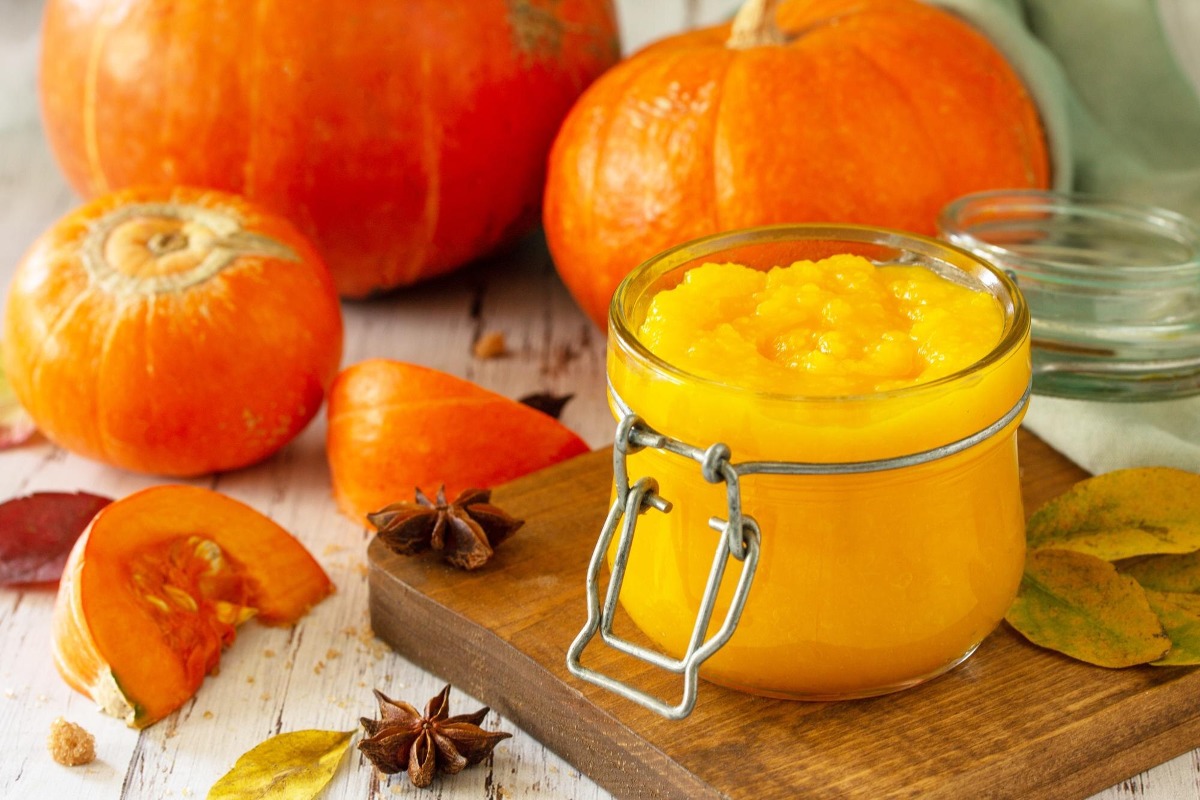
The oven is preheating when the mixture in the bowl looks thicker than the recipe suggests. Going by the name on the front of the can may not explain what changed, especially when the packaging looks familiar. A brief check before opening the can could have caught the difference.
The ingredient list separates purée from pie filling
The line to check is the ingredient list: pumpkin alone means unsweetened purée, while added sugar and spices indicate pumpkin pie filling or pie mix. That distinction matters because purée is a base for recipes that supply their own sweetener and seasoning; pie filling already contains both. The cans can look similar, but they are not interchangeable.
- Not oven cleaner and not steel wool, the way to get the black burnt rings off electric stove drip pans
- Your wooden spoons aren’t supposed to go in the dishwasher, and the crack down the handle is the proof
Replacing purée with pie filling can make a recipe much sweeter and more heavily spiced than intended. King Arthur Baking advises against that substitution because it can double the intended sweetness and spice level. Using plain purée where a recipe expects sweetened filling can leave the finished dish bland instead.
Added ingredients change the flavor and texture
Libby’s 100% Pure Pumpkin lists 1 ingredient: pumpkin. Libby’s Easy Pumpkin Pie Mix lists pumpkin, water, sugar, salt, spices, dextrose and natural flavors. The added sweeteners and seasonings make the mix convenient for a recipe written for it, but they also limit how much control a cook has over the final flavor.
Plain canned purée is smooth, while pie filling is generally thicker and more custard-like. The nutrition labels also differ: 1/3 cup of Libby’s Easy Pumpkin Pie Mix has 80 calories and 18 g total sugars, including 16 g added sugar. A 1/2-cup serving of Libby’s 100% Pure Pumpkin has about 45 calories and 5 g total sugars, with no added sugar. Those serving sizes are different, so the figures are not a direct spoon-for-spoon comparison.
Front labels help, but the ingredients decide
“100% Pure Pumpkin” points toward purée, while “Pie Mix” or “Pumpkin Pie Filling” points toward a sweetened product. Check the ingredient statement before buying, especially when similar-looking cans sit together. If it lists sugar and spices, the contents will change a recipe that calls for plain pumpkin even if pumpkin is the first ingredient.
“100% pumpkin” does not necessarily mean a specific variety of field pumpkin. FDA labeling guidance allows certain golden-fleshed sweet squash, or mixtures of that squash and field pumpkin, to be labeled pumpkin. This does not turn purée into pie filling: the practical difference for a recipe is still whether sweeteners and seasonings have been added.
Substitutions work better in 1 direction
If a recipe calls for pie filling but only purée is available, use the recipe’s instructions for adding sugar, spices and any other required ingredients rather than guessing at amounts. A pie recipe made with plain purée may also call for eggs and evaporated milk. Follow its mixing and baking directions; neither purée nor pie mix should be treated as a finished pie batter.
If a recipe calls for purée but only pie filling is available, choose another recipe or get plain purée. The added sugar and spices cannot be removed, and cutting other ingredients may not restore the intended flavor or texture. Before opening a can, match the ingredient list to the recipe’s wording.
Leave a Reply