

You reach for milk to pour over cereal, then spot yesterday’s date on the carton. Should you toss it, or is breakfast still on the table?
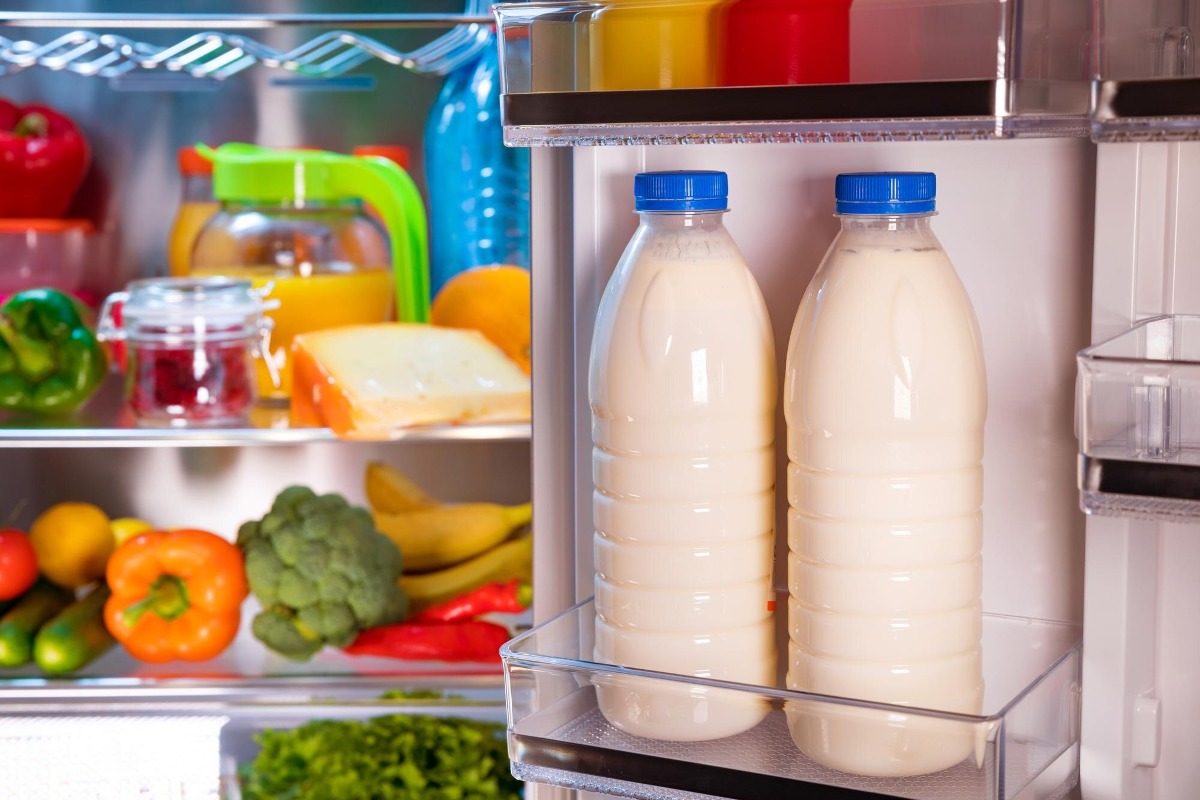
An unopened carton of milk turns up behind the juice while groceries are being put away, and its printed date has passed. Pouring it down the drain may seem safest, but the date alone cannot account for how the milk was stored. A simple distinction can help put the label in context, though it cannot make milk safe if it was left out too long.
The sell-by date is for store inventory, not a safety cutoff
Unopened pasteurized milk kept at or below 40°F (4°C) can typically remain good for 5 to 7 days after its sell-by date. The date tells stores how long to display the milk so they can rotate inventory; it does not mark the moment the milk becomes unsafe.
- Putting a slice of bread in the cookie jar, what happens to hard cookies by morning
- Stop using steel wool on the black bottom of a stainless pan, the cheap powder lifts it off in minutes
The USDA Food Safety and Inspection Service describes a sell-by date as inventory guidance, not a safety date. Federal regulations do not require dates on most foods, although infant formula must carry a use-by date. For milk, the printed date is useful context, but storage conditions matter more.
Cold storage makes the 5 to 7 day window possible
The National Dairy Council gives 5 to 7 days past the sell-by date as a typical window for properly refrigerated milk. University of Connecticut Extension similarly says milk can remain good for about a week after sell-by. Neither estimate guarantees that every carton will last that long.
Keep milk tightly closed in the coldest part of the refrigerator, typically near the back, at or below 40°F (4°C). Cold slows the changes that spoil milk; a refrigerator that runs warmer shortens the useful window. Return the carton promptly after pouring rather than leaving it on the counter while preparing a meal.
Opened or warm milk needs a different decision
The 5 to 7 day estimate applies to unopened milk that has stayed properly refrigerated. Opening the container exposes the milk to air and potential contamination, so that estimate should not be treated as a promise for an opened carton. Check opened milk carefully regardless of the date printed on it.
Milk left at room temperature for more than 2 hours should be discarded, even if it still smells normal or its sell-by date has not passed. Bacteria can multiply when perishable food sits warm, and a smell check cannot establish that mishandled milk is safe. If a carton’s storage history is uncertain, discarding it is the safer choice.
Spoilage signs matter, but they have limits
A sour smell, lumpy or curdled texture, unusual thickness, or yellowish discoloration are reasons to throw milk away. Check its smell and appearance before using it, especially when the carton has been opened. Do not taste questionable milk to decide whether it is still good.
Milk without obvious spoilage signs is not automatically safe if it was left out too long or stored above 40°F (4°C). For an unopened carton kept consistently cold, use the sell-by date as a reference, then check for spoilage before pouring. For milk that was left warm or has clearly changed, discard it rather than relying on the printed date.




Leave a Reply