

That brown ring in the toilet bowl can linger even after you’ve scrubbed and poured in bleach. Before you buy another cleaner, there’s a surprisingly simple way to tackle it.
The bathroom looks clean until a brown band catches the light at the toilet’s waterline. After a routine cleaning, the mark can remain while the surrounding porcelain looks white. Reaching for a stronger cleaner may seem like the next step, but it can leave the same line behind. A small change in approach may work better.
A wet pumice stone removes a stubborn mineral ring
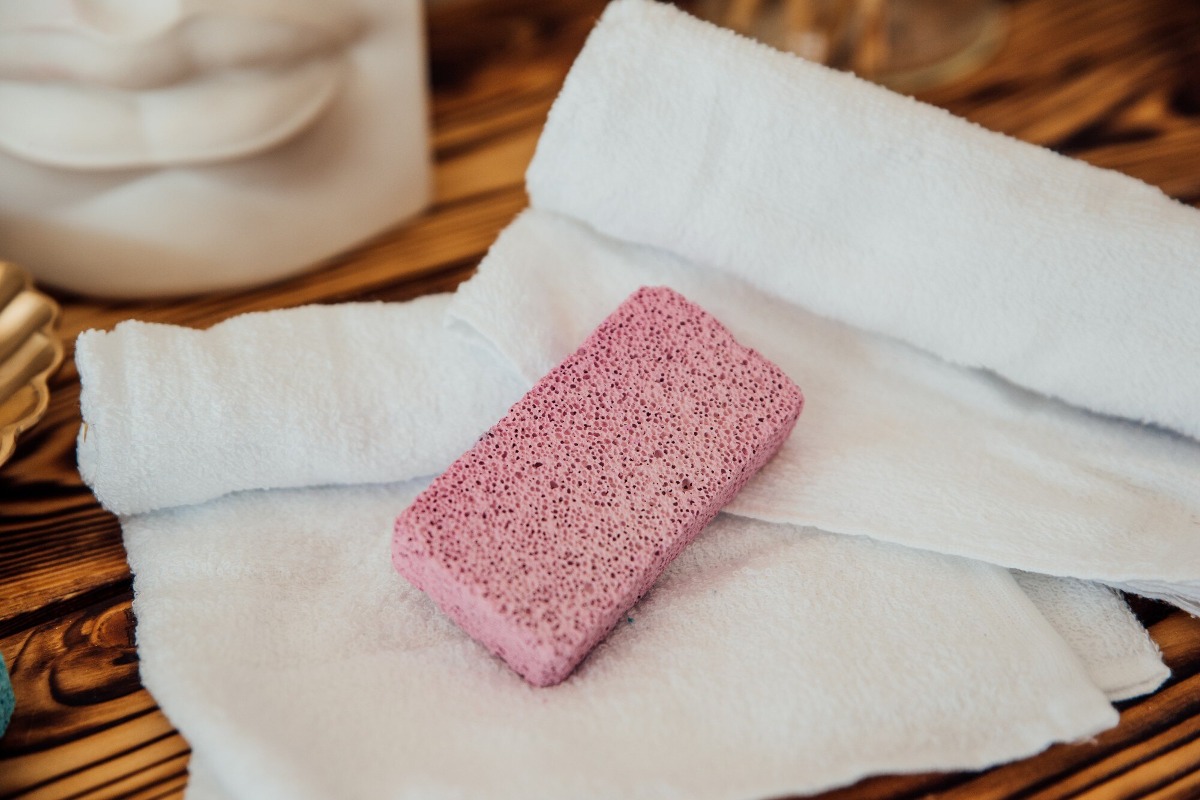
A wet, toilet-grade pumice stone can remove a brown hard-water ring from a porcelain toilet bowl when bleach has not worked. The stone rubs away mineral deposits at the waterline instead of merely changing how the stain looks. A basic natural pumice stone costs about $5 at a hardware or big-box store.
- Does the dishwasher really use less water than hand washing, and the gallon numbers settle it
- Putting a bowl of water in the microwave with the leftovers, what happens to the rice and the chicken
As toilet water evaporates, it leaves minerals such as calcium carbonate behind. Those deposits build up into a crusty ring that can look gray, brown, or black; iron in the water can also contribute a rusty brown color. Because the ring is stuck-on mineral buildup, ordinary cleaning may leave it in place.
Bleach does not dissolve the mineral layer
Bleach may temporarily lighten a toilet ring, but it does not remove the deposits underneath. It can even darken some rust stains. Scrubbing harder with bleach will not solve a stain that needs the mineral layer removed.
Vinegar may help with light limescale, but it may not lift a thick, stubborn ring. Never mix bleach with vinegar or ammonia. If bleach or another cleaner is already in the bowl, flush it away before using a different product or the pumice stone. A pink or orange ring calls for disinfection rather than mineral removal; use an appropriate toilet disinfectant according to its label.
Water and light pressure make pumice safer to use
Choose a pumice stone sold for toilet cleaning, not a foot-care stone or a synthetic abrasive tool. Submerge it in the toilet water for 30 to 60 seconds, then wet the stained area of the bowl. Both surfaces must stay wet: a dry stone against dry porcelain can scratch the finish.
Rub the ring gently in 1 direction with light pressure. Rinse the area frequently to check progress, wetting the stone and bowl again whenever needed. The pumice gradually wears down as it grinds away the deposit, so there is no need to press hard or keep rubbing after the ring is gone.
Pumice belongs on fired ceramic, not every fixture
Use this method only on a hard, non-colored fired-ceramic toilet bowl. Pumice can scratch plastic toilet seats, fiberglass tank lids, colored acrylic bowls, and other surfaces that are not fired ceramic. Keep the stone away from children and pets, and reserve it for occasional deep cleaning rather than routine scrubbing.
If a ring does not respond to gentle work with a wet stone, stop rather than abrading the same spot repeatedly. Persistent rust or heavy mineral buildup may point to a water-quality or plumbing issue; a plumber can help assess the cause. For a typical hard-water ring, start with a soaked toilet-grade stone and check the surface often as the deposit comes away.





Leave a Reply