

You pull a fork from the kitchen drawer and spot orange flecks along its tines, even though you washed it yesterday. Before you toss the whole set, there’s a surprisingly simple way to tackle those stubborn marks.
At the sink, a faint orange mark stays on a fork after the dishwater has drained. Dish soap removes food residue, but another wash may leave the rust spot in place. An ordinary kitchen staple can help loosen it without harder scrubbing, though the fork will need a thorough wash afterward.
A cut potato can remove light rust from forks
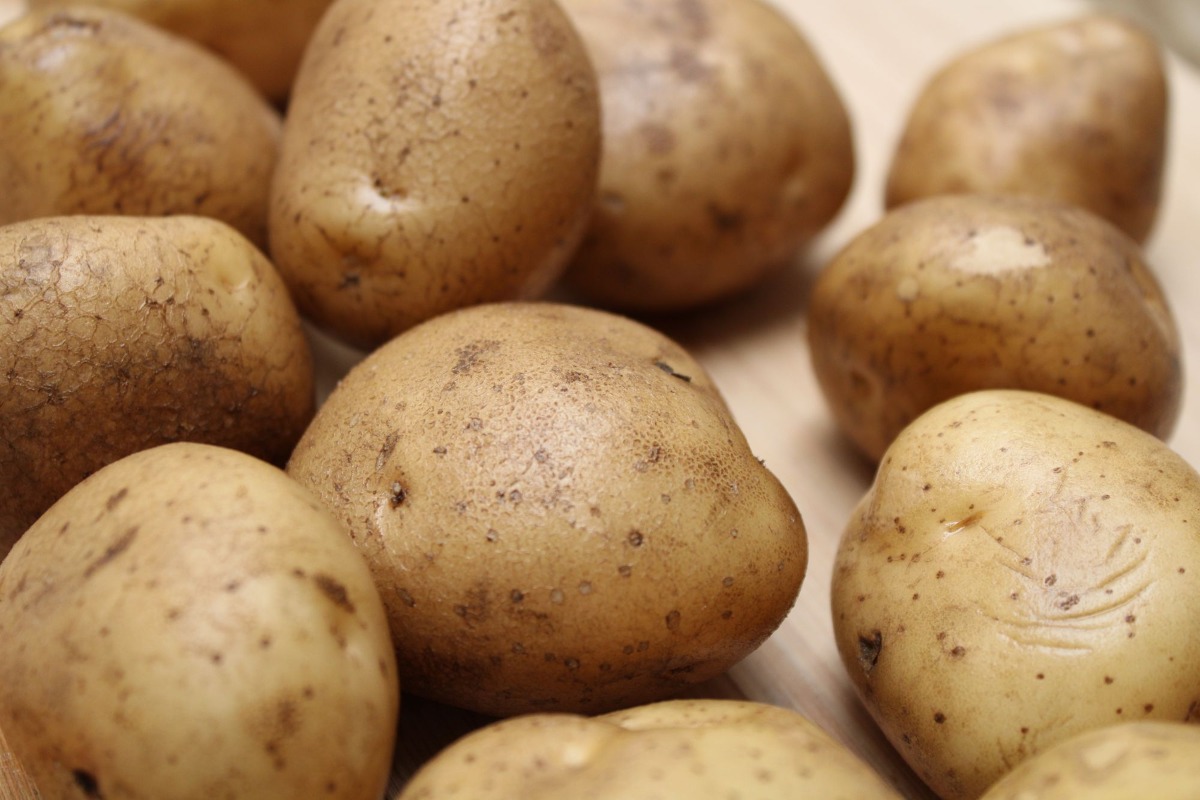
Rub the cut side of a raw potato over a rusty fork to loosen small surface spots. Potatoes contain oxalic acid, which reacts with rust, or iron oxide, so the residue can be washed away. This method is suited to light rust on metal cutlery, not deep corrosion.
- Thanksgiving leftovers have a 2-hour clock and a 4-day limit, and the USDA numbers most families stretch
- Does rinsing ground beef after browning cut the fat, and the number from the Iowa study surprised cooks
Rust spots can develop when moisture remains on kitchen tools after washing or storage. Cleaning the spot and drying the fork completely afterward helps keep moisture from causing more rust. Check whether the mark is actually rust before scrubbing: a potato will not repair scratches, worn plating or pitted metal.
Oxalic acid and gentle scrubbing work together
When potato flesh contacts rust, its oxalic acid reacts with the iron oxide to form iron oxalate, which can be rinsed away with water. Baking soda or salt adds mild abrasion, helping lift rust that the potato has loosened. Dish soap is another option for the cut surface when the fork also needs cleaning, but it does not replace the potato’s rust-removing action.
Use extra care with a polished or plated finish. Salt and firm scrubbing may scratch a delicate surface, so start with the potato and a soft cloth rather than an abrasive pad. If the finish begins to change, stop instead of trying to scrub through the spot.
Cut, rub, rinse and dry the fork
Cut 1 raw potato in half, then dip the cut end in baking soda or add a few drops of dish soap. Rub the cut side firmly over each rust spot, working around the fork’s tines. If more scrubbing is needed on a sturdy surface, add a little salt to the cut side; if the potato becomes slick, slice off the used surface to expose fresh flesh.
For a larger rusty area on a pot or baking sheet, press the prepared cut side against the spot for 1 to 2 hours before scrubbing. Another option for those larger items is to sprinkle baking soda over the rust, cover it with potato peels and leave it overnight. Neither longer treatment is necessary as a first attempt on a fork with a small spot.
After scrubbing, wash the item thoroughly with dish soap and warm water to remove loosened rust, potato residue and any added salt or baking soda. Rinse it well, then dry it completely before putting it away. Do not leave a damp fork in a drawer where moisture can remain against the metal.
Deep rust calls for a different approach
A potato may not clear heavy corrosion or rust inside pits. If a food-contact surface remains rough or pitted after cleaning, replace the item rather than continuing to scrub it. For a sturdy item with persistent surface rust, consider a rust remover only if its label permits use on that material and explains how to clean it before food contact.
Keep cleaning products away from children and pets, and do not mix bleach with vinegar, ammonia or other cleaners. For everyday cutlery, the practical first step is a cut potato on the spot, followed by a thorough wash and careful drying.



Leave a Reply