

A skillet of browned ground beef can leave a puddle of grease just as dinner comes together. If you bought a cheaper package, how much of that fat will actually end up on your plate?
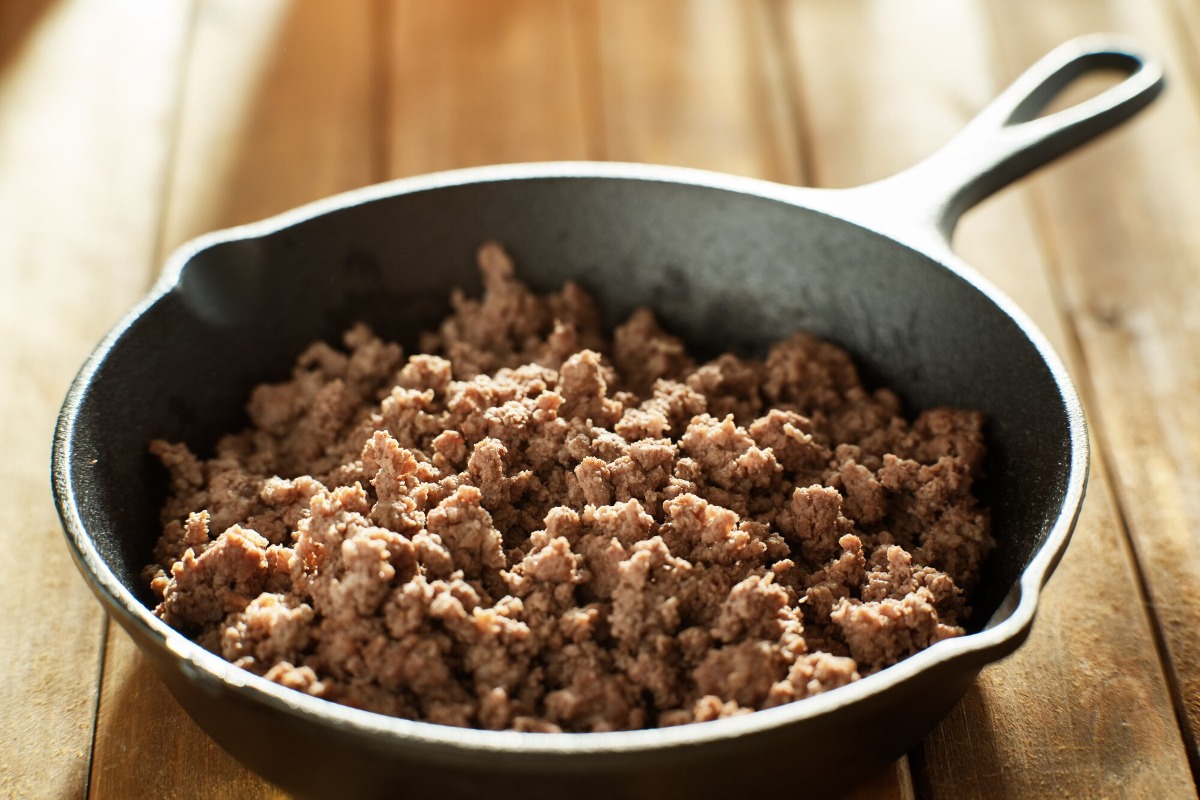
When taco filling is spooned into shells, a sheen can linger on the meat even after the pan has been drained. Pouring off the drippings removes what collects in the pan, but some fat remains on the crumbles. A simple step before the beef goes into a sauce may make a measurable difference, though it does not work equally well for every package.
Rinsing cooked ground beef can reduce its fat
Rinsing cooked ground beef helps remove fat that draining leaves clinging to the crumbles. It is most useful for 73% to 85% lean beef when a recipe calls for crumbled meat, such as chili or spaghetti sauce.
- Putting a whole lemon in the freezer, what happens after a day and why people grate it over everything
- Stop scrubbing kitchen floor grout with a toothbrush, the powder that does the job sits in the laundry room
Iowa State University researchers tested ground beef with different fat levels and cooking methods. They found that a warm-water rinse reduced fat in cooked crumbles while protein, iron, zinc, and vitamin B-12 were well retained. A later analysis of the research put a 4 oz (113 g) serving of 80% lean beef that had been pan-fried, drained, blotted, and rinsed at about 121 calories and 5 grams of fat, roughly comparable to undrained 95% lean beef.
Warm water washes away fat left after draining
As ground beef cooks, some of its fat becomes liquid and separates from the meat. Pouring off the grease removes much of it, but some remains on the surface of the crumbles. Hot water washes away more of that surface fat, so rinsing adds a step that draining alone cannot provide.
The same rinse also adds moisture and can wash away some flavor. Fat contributes to beef’s taste, so rinsed meat may seem blander, especially when served without a sauce. In a well-seasoned chili or spaghetti sauce, that difference may be less noticeable.
Rinse only after the beef is cooked
Brown the ground beef in a skillet, breaking it into crumbles, and cook it to 160°F (71°C), checking with a food thermometer. Carefully pour the liquid grease into a heat-safe container rather than down the sink. Let the grease cool before disposing of it.
Transfer the cooked crumbles to a fine-mesh strainer or colander. Rinse briefly with hot, not boiling, tap water, then spread the beef on paper towels and blot away excess moisture. Keep hands clear of the hot water and grease, and clean the strainer and nearby surfaces after use.
Leaner beef and raw beef need a different approach
Rinsing is not recommended as a fat-reduction step for ground beef that is 90% lean or higher because there is less fat to remove and the benefit is not meaningful. For those grinds, cook the beef and drain it if needed. Choosing 90% or 93% lean beef from the start is another option when lower fat content matters more than the cost or flavor of a fattier grind.
Do not rinse raw ground beef. Washing raw meat does not destroy bacteria and can spread contaminated droplets around the sink and kitchen, according to the USDA Food Safety and Inspection Service. If rinsing cooked beef is inconvenient, draining it thoroughly still removes liquid grease; add the crumbles directly to the recipe once the fat has been poured off.
Leave a Reply