

Your grocery-store lemons can start to wrinkle before you get around to making dinner. But one unusual move has home cooks taking a second look at that familiar fruit.
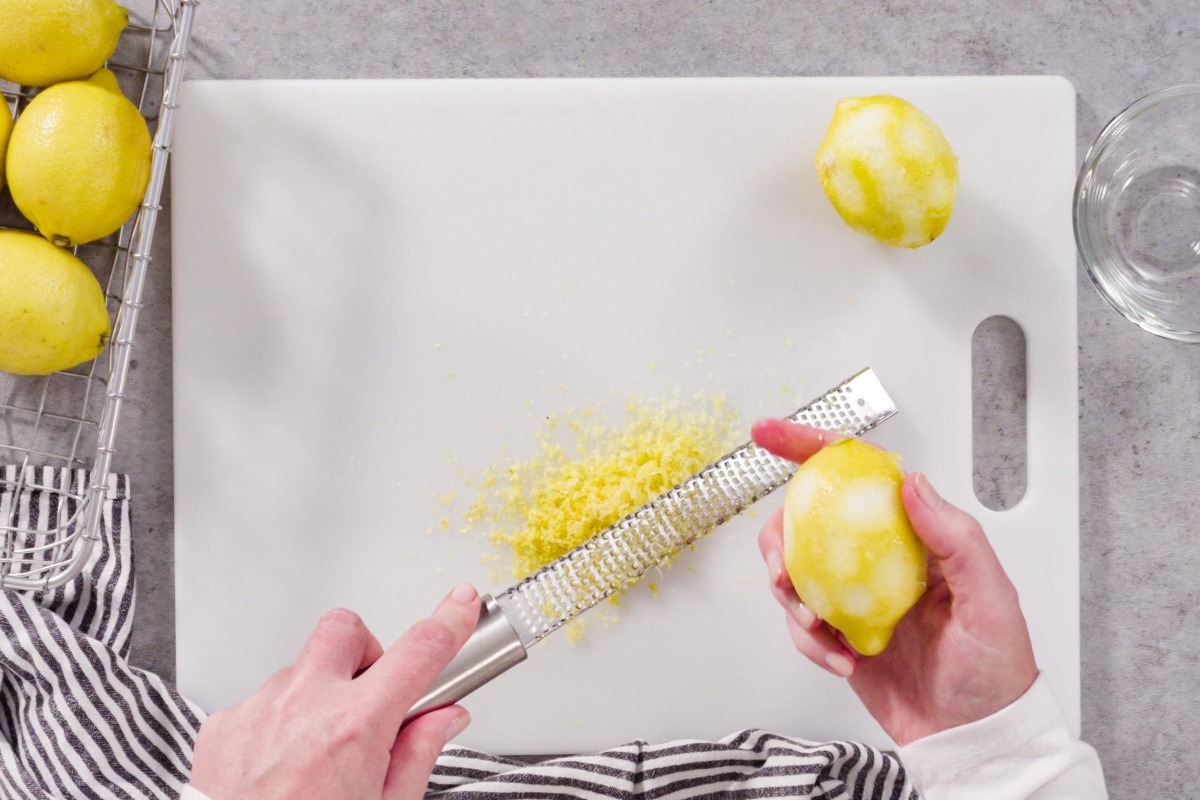
A lemon sits beside the cutting board as pasta finishes cooking, but dinner calls for only a little of it. Cutting off a piece leaves the rest exposed, and the cut surface can dry out before the next meal. A simple choice while the lemon is still whole changes what happens when it is needed again.
Freezing a whole lemon makes it easier to use
A whole frozen lemon can be grated over food for citrus flavor, using some of the peel, pith and pulp rather than only the zest or juice. Freezing also keeps the lemon usable for about 3 to 4 months, giving cooks more time to use fruit that might otherwise spoil on the counter.
- Stop scrubbing kitchen floor grout with a toothbrush, the powder that does the job sits in the laundry room
- Neither baking soda nor steel wool, the way to get burnt-on grease off the bottom of a pot without scratching it
That convenience has made frozen lemons popular in dishes such as frozen lemon pasta, a variation on pasta al limone. The method is useful beyond pasta: finely grated lemon can brighten salads, marinades, cakes and muffins without requiring a fresh lemon each time.
Ice crystals change the lemon’s texture
As water inside a lemon freezes, ice crystals damage its cell walls. Once the fruit thaws, its flesh is softer and releases juice more easily than an unfrozen lemon. That texture is helpful for juicing but less useful when firm, neat wedges are needed.
Grating the lemon while it is still frozen produces fine pieces that can be scattered over food. Grating into the peel releases fragrant citrus oils, while including some pulp adds tartness. The white pith can taste bitter, so a small amount is a sensible place to start before adding more.
Wash and dry the lemon before freezing
Rinse 1 whole lemon under running water, rubbing the surface or using a clean produce brush, especially if the peel will be eaten. Do not use dish soap or household cleaners on produce. Dry the lemon thoroughly so water left on its surface does not freeze into an icy coating.
Put the dry lemon in a sealed, freezer-safe bag or container, then freeze it at 0°F (-18°C) or colder until solid. Keep it sealed between uses to limit moisture loss and freezer burn, which can dull its flavor. For best quality, plan to use it within about 3 to 4 months.
Grate it frozen or thaw it for juice
Grate the frozen lemon directly over pasta, fruit salad or a finished bowl of soup with a fine grater. For tea, marinades or baked goods, grate only what the recipe needs, then return the remaining lemon to the freezer promptly. Because the grated pieces may include peel, pith and pulp, they will taste different from zest alone.
For juice, thaw the lemon until it is soft enough to cut and squeeze. Freezing breaks down the flesh, but it does not make the fruit sweeter or improve its nutritional content. If a recipe calls for attractive lemon slices or wedges, use a fresh lemon instead.
Freezing does not make an unwashed lemon safe
Freezing slows microbial growth but does not reliably kill pathogens, so washing matters before freezing, particularly when the peel will go into food. Discard a lemon that was already spoiled rather than relying on the freezer to restore it.
Lemon peel contains vitamin C and other compounds, but freezing has not been shown to increase their benefits. Laboratory research on peel extract does not establish that eating grated lemon treats or prevents disease. Keep a washed, sealed lemon in the freezer for convenient flavor, and use fresh fruit when its firm texture matters.





Leave a Reply