

After Thanksgiving dinner, the turkey sits on the counter while everyone lingers over pie and conversation. When the kitchen finally clears, are those leftovers still worth saving?
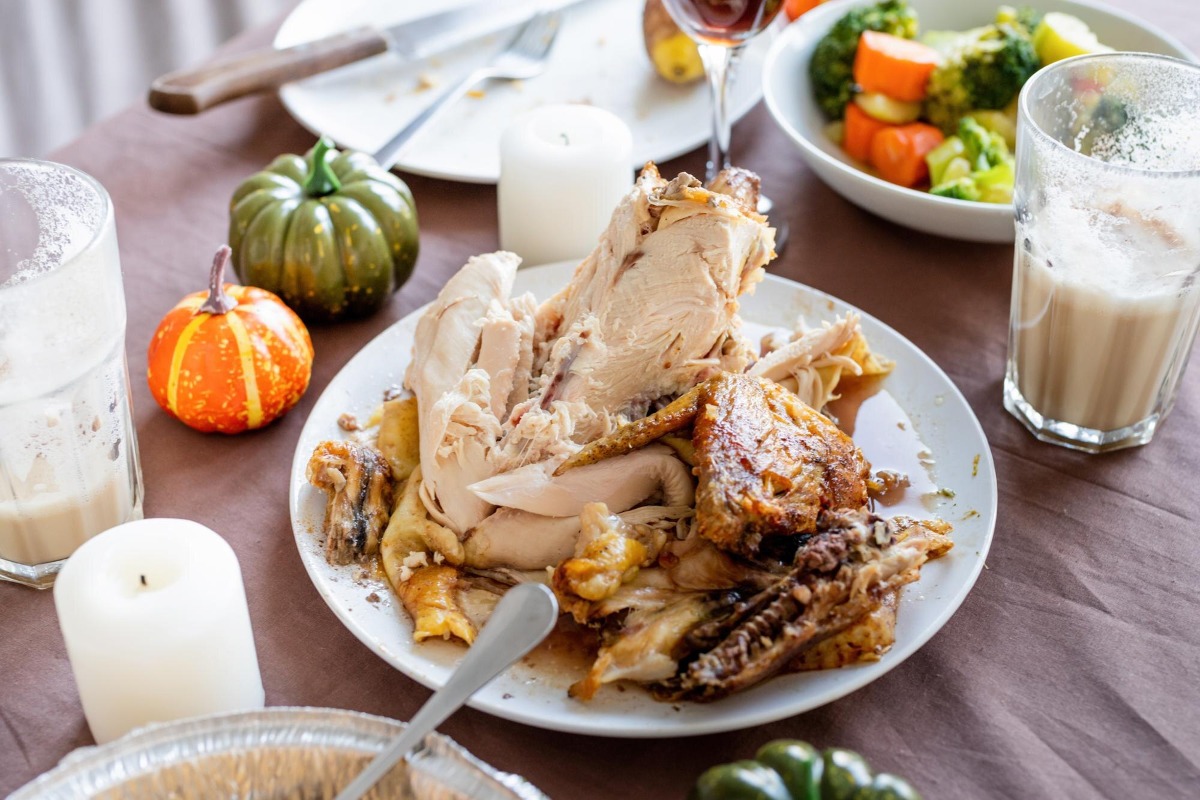
At lunch the next day, a container of sliced turkey comes out of the refrigerator for sandwiches. It looks and smells fine, but a sniff test cannot tell whether leftovers were handled safely. The detail that matters is easy to overlook when the holiday kitchen is busy.
Thanksgiving leftovers need prompt chilling and a 4-day limit
Refrigerate perishable Thanksgiving leftovers within 2 hours, then eat or freeze them within 4 days. These limits reduce the time that turkey, stuffing, gravy, and other cooked foods spend at temperatures where bacteria can multiply. The clock starts when food comes out of the oven or refrigerator, or is removed from a warming appliance.
- Does rinsing ground beef after browning cut the fat, and the number from the Iowa study surprised cooks
- Putting a whole lemon in the freezer, what happens after a day and why people grate it over everything
For a meal served on Thanksgiving Thursday, refrigerated leftovers should be eaten or frozen by the following Monday. The USDA Food Safety and Inspection Service sets this 4-day Thanksgiving leftover limit for food that has been handled and refrigerated promptly. A longer stay in the refrigerator is not made safe by reheating it later.
Time at room temperature raises the risk
Between 40°F (4°C) and 140°F (60°C), food is in the “Danger Zone,” where bacteria can grow quickly. A serving platter left on the table and a pot of gravy sitting on the stove can both enter that range as they cool. Food can look and smell normal even when it is no longer safe to eat.
At an outdoor gathering or anywhere the surrounding temperature is above 90°F (32°C), refrigerate or freeze perishable food within 1 hour instead of 2. After either time limit has passed, discard the food rather than saving it for another meal. The shorter window matters because warm surroundings give bacteria less time to wait before they begin multiplying rapidly.
Shallow containers help leftovers cool
Put turkey, stuffing, and other leftovers into shallow containers before refrigerating or freezing them. Smaller portions cool more evenly than food left in a deep pot, whose center can stay warm while the outside cools. Do not leave the containers on the counter to cool first if doing so would take the food past its 2-hour limit.
Refrigerated leftovers are generally good for 3 to 4 days. For food that will not be eaten by Monday, freezing it within that period is the better choice. USDA guidance gives 3 to 4 months for frozen leftovers; some foods may lose quality during storage even when they were frozen promptly.
Reheating does not fix missed storage deadlines
Reheat saved leftovers to an internal temperature of 165°F (74°C), checking with a food thermometer. Bring soups, sauces, and gravies to a rolling boil before serving. Thorough heating is a step for properly stored leftovers, not a way to rescue food left out too long.
If the serving-time deadline or the refrigerator deadline has passed, throw the food away without tasting it. Before the holiday meal begins, make room in the refrigerator and have shallow containers ready so leftovers can be put away on time.




Leave a Reply