

You scrub the toilet, but a stubborn brown ring still makes the bowl look dirty. Before reaching for another cleaner, it’s worth asking why that mark refuses to budge.
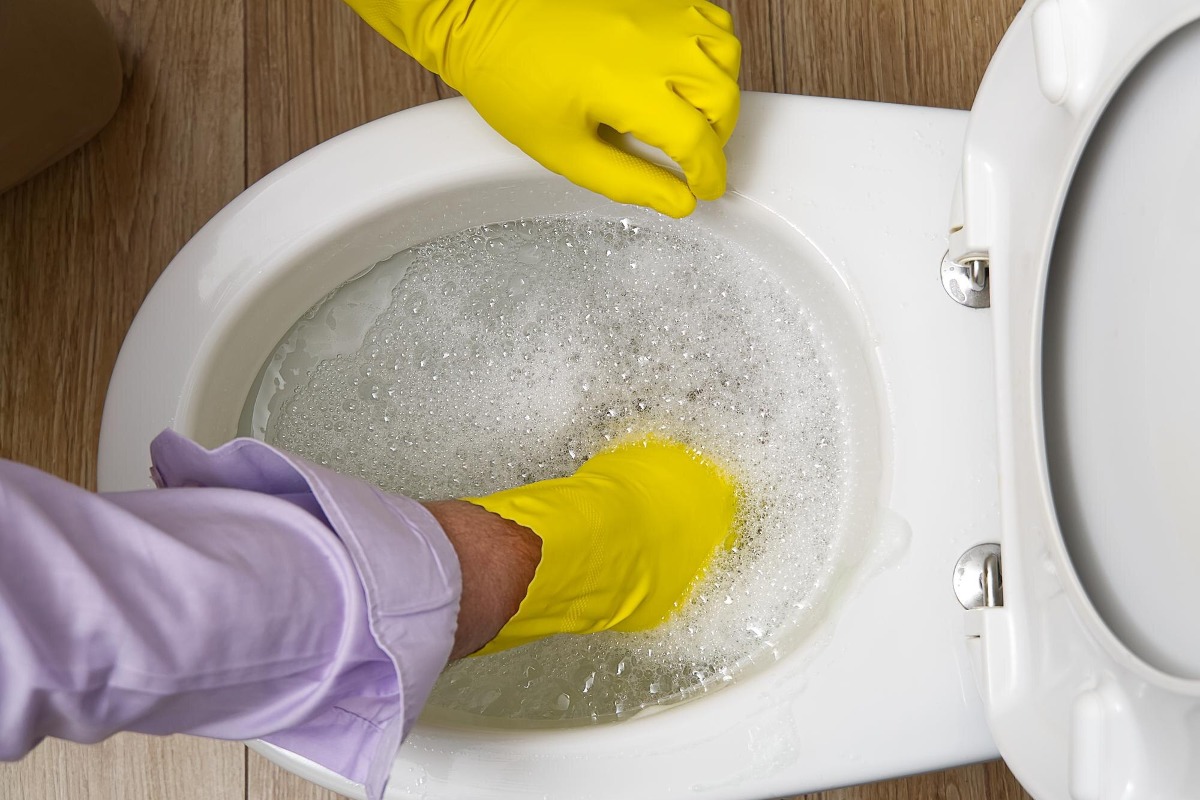
The bleach has been flushed away, but a brown line still circles the toilet bowl at the waterline. Another round of scrubbing may leave it looking much the same. A small change in approach can make a difference, though the way it is done matters for the bowl’s finish.
A wet pumice stone removes stubborn toilet bowl rings
A wet pumice stone can scrub a brown toilet bowl ring off the porcelain when ordinary cleaning leaves it behind. It works because the stone is harder than the mineral buildup but softer than the bowl’s porcelain glaze, so light rubbing wears away the deposit. Single toilet-cleaning pumice sticks are commonly sold for under $5.
- Goodbye to the dish drying rack, more and more kitchens are replacing it with something that keeps the counter clear
- Not steel wool and not baking soda, the way to get the black off the bottom of a scorched stainless pot
Wet both the stone and the stained area with toilet bowl water before scrubbing. Rub the ring gently, keeping both surfaces wet throughout, then rinse the area by flushing. Do not press hard: excess friction, especially from a dry stone, can scratch the bowl.
Iron and hard water leave stains that bleach cannot dissolve
Brown, orange, or reddish rings often form at the waterline as minerals in hard water collect on the bowl. Iron in the water reacts with air and oxidizes, adding a rust-colored stain to the buildup. That is why the ring can return even after the bowl looks clean elsewhere.
Bleach disinfects and whitens, but it does not dissolve rust or hard water deposits. Chlorine bleach can also set an iron stain or make its discoloration worse. For a mineral or rust ring, removing the deposit with a wet pumice stone or a cleaner made for those stains is more useful than adding bleach.
Rust and mineral cleaners offer another approach
Bar Keepers Friend Toilet Bowl Cleaner is an alternative when scrubbing alone does not lift the ring. Its hydrochloric acid dissolves rust and mineral buildup, while the thick formula clings to the stained bowl. Apply it to the stain as directed on the package, leave it for about 5 minutes, then scrub lightly and flush thoroughly. The brand’s general cleanser and powder are different products, so use the directions for the toilet bowl cleaner rather than treating them as interchangeable.
Iron Out powder is another option for an iron stain. Pour about 1/2 cup into the bowl water, scrub the stained area with a toilet brush, and let it stand until the stain is gone before flushing. Follow the product label, particularly if it gives different directions for the toilet or the stain.
Protect the finish and keep cleaners separate
Use pumice only on the hard porcelain bowl, never on a plastic or wood toilet seat, where it can scratch or chip the surface. Avoid repeated heavy scrubbing; if the ring remains, try a product intended for rust or hard water rather than pressing harder. A ring that repeatedly returns may point to iron or mineral content in the water, which cleaning the bowl alone will not change.
Never combine toilet cleaners, and never mix bleach with vinegar, ammonia, or another cleaning product. Flush thoroughly before switching products, follow each label, and keep cleaners and pumice sticks out of children’s and pets’ reach. For a persistent ring, start with a wet stone and light pressure, then choose 1 labeled stain remover if needed.


Leave a Reply