

After a week of cooking, the grates on your gas stove can develop a stubborn brown film, even when you wipe down the stovetop. Getting them clean may be easier than you expect.
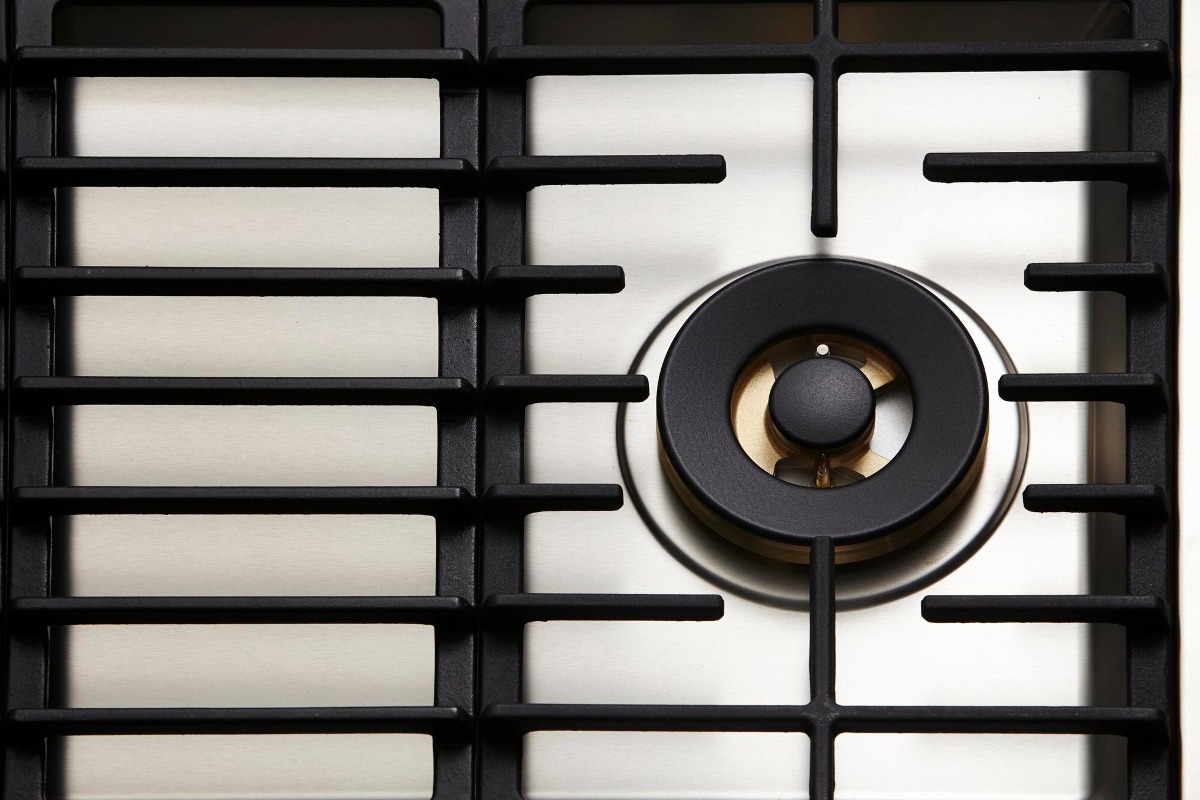
At the sink, a sponge catches on rough, greasy patches along a gas stove grate. Dish soap may leave behind oil hardened by repeated heat, while harder scrubbing can damage the grate’s finish. Oven cleaner is not the only alternative. A simple step before bed can make the grime easier to remove the next morning.
An overnight ammonia bag can loosen brown film on suitable grates
Sealing cast-iron or porcelain-enameled gas stove grates in bags with household ammonia can loosen the brown film left by hardened grease, oil splatters, and food residue. The bags hold ammonia fumes around the grates overnight, softening buildup so it can be washed away with less scrubbing. This method is for removable grates, not the stovetop or burner parts.
- Onions or ground beef first in the pan, home cooks are split and only one order works
- The three-digit number on your egg carton tells you the day they were packed, and it isn’t the date most people read
Ammonia fumes soften grease without submerging the grates
The grate does not need to sit in liquid ammonia. In a sealed bag, fumes reach the corners and narrow spaces where baked-on grease is difficult to scrub. The method reduces the work of removing residue, but it may not lift every patch of older buildup in 1 treatment.
Avoid reaching immediately for steel wool or oven cleaner when the grate’s finish is uncertain. Abrasive scrubbing and strong cleaners may damage some surfaces; the stove manufacturer’s care instructions should take priority over a general cleaning method.
Each grate needs its own sealed bag overnight
Start with a cool stove and remove the grates. Put each grate in its own large, sealable plastic bag, such as a heavy-duty zip-top or garbage bag. Add 1/4 to 1/2 cup of household ammonia to each bag, keeping the grate enclosed but not submerged, then seal the bag tightly.
Leave the sealed bags outside in a secure, well-ventilated spot for 8 to 12 hours or overnight. Keep them where children and pets cannot reach them. Wear gloves when handling the bags and grates, and avoid breathing the fumes when opening each bag.
Remove the grates, rinse away the loosened residue, and wash them thoroughly with hot, soapy water. Rinse again and dry them completely before returning them to the stove. Moisture left on cast iron can lead to rust.
Material and chemical limits matter
Use this method only when the grates are cast iron or porcelain-enameled and the stove’s care instructions permit it. Do not use ammonia on aluminum, chrome-plated, nonstick, or other coated grates; their surfaces can be damaged. If the material is uncertain, check the stove manual rather than testing ammonia on a hidden spot.
Never add bleach, vinegar, or another cleaner to an ammonia bag. Mixing bleach and ammonia can produce toxic chloramine gas. Follow the ammonia label’s warnings and keep the work area ventilated even after the bags are opened.
Persistent buildup may need another approach
If grease remains after washing, a second overnight treatment may loosen it, provided the grates and manufacturer’s instructions allow ammonia. Adding more ammonia is not necessary just to submerge the grate; the sealed fumes do the work. If the film still will not lift, use the cleaning method specified for that stove model rather than switching to an abrasive or stronger chemical without checking its finish.




Leave a Reply