

With raw chicken on the counter and the sink nearby, a quick rinse can feel like part of dinner prep. But what happens around your kitchen when you do it?
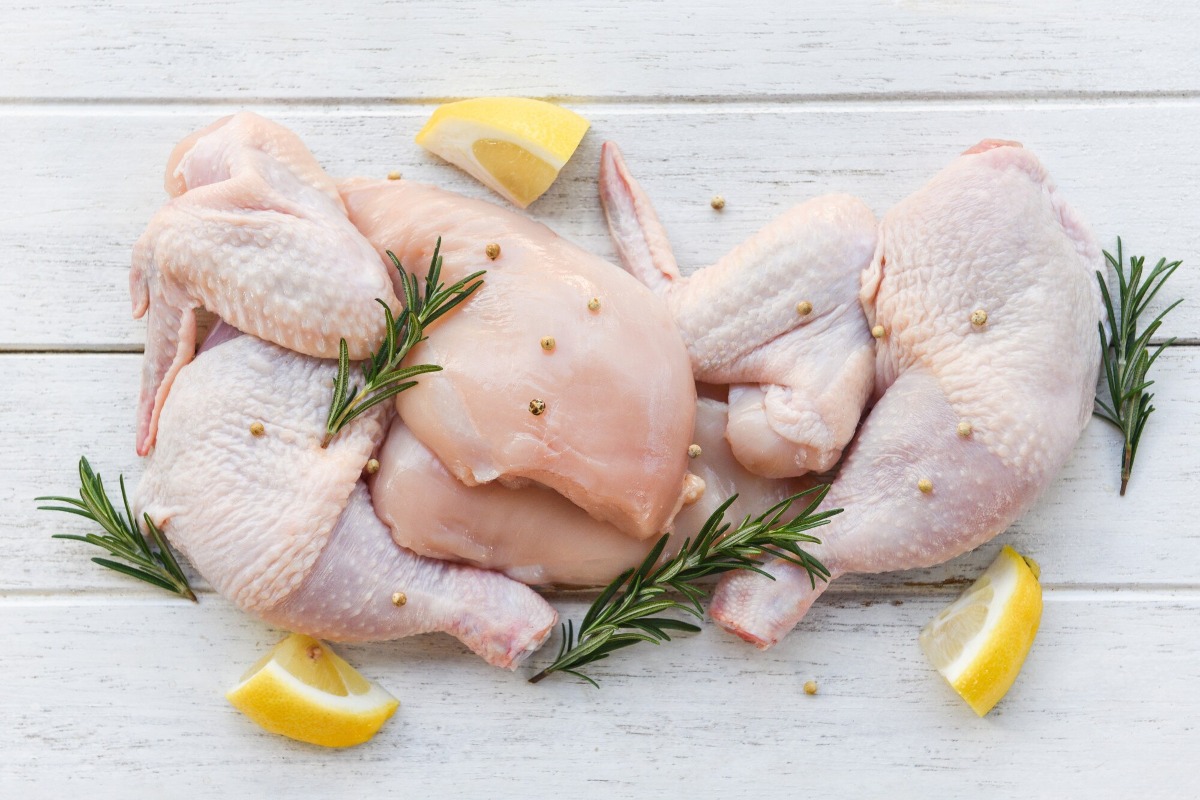
Salad greens are waiting on the counter as a package of chicken is opened for dinner. Rinsing the chicken may seem like a careful step, but a cleaner-looking piece of meat is not a reliable sign of safety. A small change in the prep routine can address a risk that is easy to overlook.
Washing raw chicken spreads bacteria rather than removing them
The USDA says to skip washing raw chicken: rinsing does not destroy bacteria, and splashing water can carry them around the kitchen. Cooking the chicken to the proper temperature, not washing it, is the step that makes it safe to eat.
- Putting frozen chicken straight into the Crock-Pot, what happens after 6 hours and why the USDA says don’t
- Before you throw out yellowed pillows, one hot wash cycle brings the white back
Rinsing can seem sensible when chicken feels slippery or has visible residue. Older cooking advice sometimes recommended it, but water cannot reliably remove bacteria from the poultry. Salt water, vinegar, and lemon juice do not destroy them either.
Splashing water can contaminate the sink and nearby food
Water hitting raw chicken can scatter droplets carrying bacteria such as Salmonella and Campylobacter. Those droplets can reach surfaces roughly 3 feet (91 cm) from the sink. A counter or utensil may look clean even after droplets have landed on it.
In a USDA observational study, 60% of participants who washed poultry had bacteria in their sinks afterward. Bacteria from the poultry also reached ready-to-eat salad lettuce for 26% of those who washed it. Washing creates an avoidable route for contamination, but skipping the rinse does not eliminate every risk: 31% of participants who did not wash poultry still transferred bacteria to their lettuce.
A damp paper towel handles visible residue
If a spot of residue is bothersome, the USDA recommends patting that area with a damp paper towel instead of holding the chicken under running water. Discard the towel after use and wash hands immediately. Patting addresses visible residue without sending water across the sink, but it does not disinfect the chicken.
Prepare foods that will not be cooked, such as salad vegetables, before handling raw poultry. After handling chicken, clean and sanitize the sink, countertops, and utensils that may have contacted it or its juices. Follow the sanitizer label, keep cleaning products away from children and pets, and never mix bleach with vinegar or ammonia.
A thermometer confirms when chicken is cooked
Cook whole or ground chicken to an internal temperature of 165°F (74°C). Check the thickest part with a food thermometer rather than relying on appearance. Heat at the proper internal temperature kills harmful bacteria; a rinse, marinade, or paper towel cannot take its place.
Low water pressure does not make rinsing safe
Turning down the faucet may reduce splashing, but it does not make washing chicken a reliable safety step. If chicken has already been rinsed, clean and sanitize the sink and nearby surfaces before preparing other food, especially anything that will be eaten raw.
For the next meal, handle visible residue with a damp paper towel, prepare ready-to-eat foods first, and use a thermometer to check the chicken before serving.




Leave a Reply