

Socks cling to shirts when you pull laundry from the dryer, and the box of dryer sheets is empty again. An unlikely household item keeps turning up in laundry routines, but is it worth trying?
A freshly dried microfiber towel pushes water around the counter instead of soaking it up. Reaching for a dryer sheet every load can make that problem worse because the coating it leaves behind reduces microfiber’s absorbency. A simple change to the load may avoid that trade-off, though it will not add fragrance or soften clothes.
Foil balls may reduce static but do not replace every dryer-sheet benefit
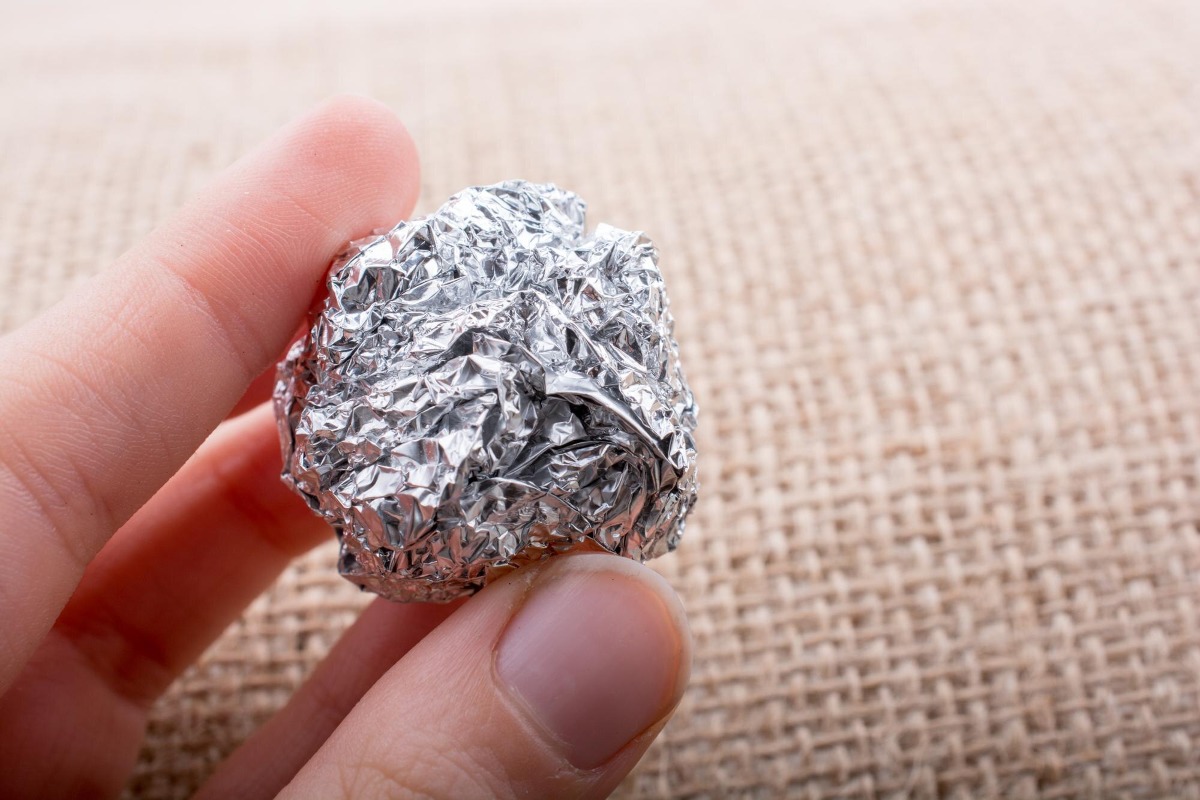
An aluminum foil ball goes in the dryer to try to reduce static cling as clothes tumble. It is a reusable alternative to a dryer sheet for that purpose, but it does not soften fabric or add scent. Results are mixed, so it is best treated as an inexpensive option to try rather than a reliable fix for every load.
- You’ve Been Opening Heinz Ketchup Bottles the Same Way for Years, but There’s Another Way to Use the Cap
- Not bleach and not vinegar, the way to get the black mold off the window sill above your kitchen sink
Static builds as fabrics tumble together
Clothes can develop an electrical charge when they rub against one another in the dryer. That charge makes items cling together, and synthetic fabrics such as polyester and nylon can be especially prone to the problem. A dryer sheet addresses static while leaving a softening coating on fabric, which also makes clothes feel softer.
Foil is a conductor, so the idea is that a foil ball helps disperse charge as it moves among the clothes. That explanation is plausible, but evidence that foil balls consistently prevent static is limited. In a hands-on test, corduroy still had substantial cling after drying with foil balls.
Tightly packed balls are less likely to snag clothes
Crumple aluminum foil tightly into a ball about 2 to 3 inches (5 to 8 cm) in diameter. Press down any points or loose edges, then place 2 to 4 balls in the dryer with the load and run the usual drying cycle. Use fewer balls for a smaller load and check that none have come apart when the cycle ends.
A firm ball can be reused for months, but replace it if it becomes loose, misshapen or sharp. Smooth edges matter because a protruding piece of foil can catch on delicate fabric. Check the appliance instructions before putting anything other than laundry in the dryer, particularly if the manufacturer restricts dryer accessories.
Foil cannot provide softening or scent
Foil balls may do little for a load that produces a lot of static, including some synthetic items. They also cannot replace the soft feel or fragrance a dryer sheet leaves behind. If cling persists, a different laundry product may be more useful than adding more foil.
Foil has one practical advantage for microfiber towels and cloths: it does not leave a softening coating. Dryer-sheet residue can collect in microfiber’s small grooves and reduce its absorbency, so skipping sheets is sensible for those items. That does not mean every dryer sheet is unsafe or that foil will eliminate static from microfiber.
Choose an alternative based on the load
Wool dryer balls are another reusable option for people who do not want a dryer-sheet coating. They can help separate and fluff laundry, although they should not be treated as a guaranteed cure for static. Keep foil balls and other small laundry accessories away from children and pets between loads.
For absorbent cleaning cloths, leave out the dryer sheet and try smooth, tightly packed foil balls if static is a nuisance. For clothing that still clings, stop relying on foil alone and choose a laundry option suited to the fabric and the result needed.






Leave a Reply