

Your microwave handle and refrigerator door can look dingy even after you wipe away every greasy fingerprint. That stubborn yellow tint can make an otherwise clean kitchen feel older than it is.
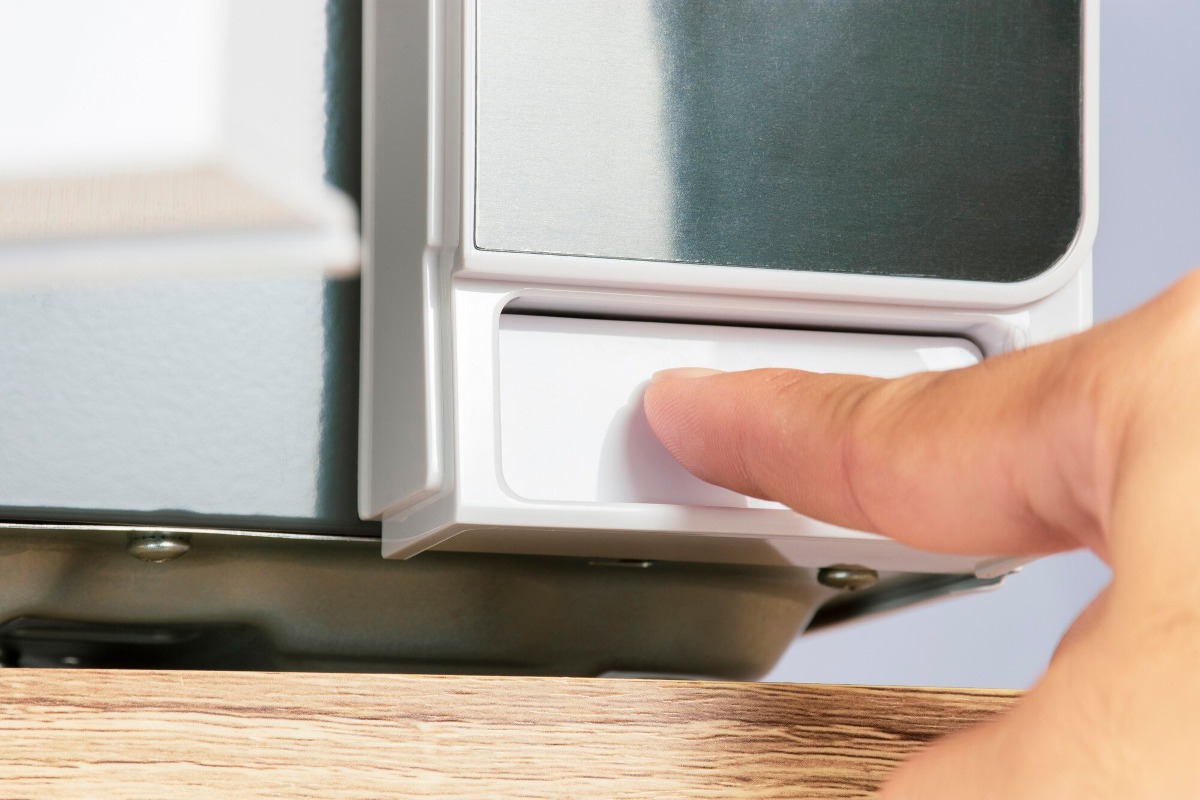
Under the kitchen light, the microwave handle looks cream-colored against the white trim. Another scrub leaves the color unchanged, and a harsher cleaner may damage the plastic rather than improve it. The better approach is gentler than scrubbing, but it starts with treating the yellow tint differently from an ordinary surface mark.
Hydrogen peroxide can lighten yellowed white plastic
3% hydrogen peroxide, sold in drugstores, can help lighten yellowing on white ABS-type plastic appliance parts. It is the key ingredient in Retrobright, a method used to improve the appearance of yellowed plastic without relying on chlorine bleach. A removable part can be soaked, while an attached microwave handle or refrigerator trim needs a careful surface application.
- Neither oven cleaner nor steel wool, the two-ingredient paste that lifts the brown off old baking sheets
- Your garbage disposal smell isn’t in the drain, it’s under the rubber flap nobody lifts
First, check whether the yellow color is in the plastic rather than a removable film of dirt or grease. Peroxide is intended for discoloration that remains after ordinary cleaning; it will not repair a cracked, worn or permanently damaged surface.
Light and heat can change the plastic itself
White ABS-type plastic can yellow when ultraviolet light or excessive heat drives oxidation in the material. Brominated flame-retardant compounds in some plastics can also contribute as they move toward the surface and oxidize. That is why a clean handle may still look yellow, and why scrubbing harder is unlikely to solve the problem.
Hydrogen peroxide is used to lighten that discoloration, often with sunlight as part of the process. Results can vary with the plastic and the extent of its aging. Sunlight is not a reason to leave a part exposed indefinitely: too much treatment or intense UV exposure can produce uneven color or surface damage.
Apply 3% peroxide according to the part
Test a small, inconspicuous area first and let it dry before treating the rest. For a detachable plastic part, place it in a container, add enough 3% hydrogen peroxide to submerge it, and set the container in sunlight. Check it periodically over the next few hours, then remove the part when the yellowing has lightened, rinse it and dry it thoroughly before reinstalling it.
For a fixed handle or trim, apply 3% peroxide to the plastic with a cloth or brush, keeping liquid out of seams, controls and electrical openings. Let it sit for about 30 minutes, then wipe with a clean, damp cloth and dry. If sunlight reaches the surface, some methods cover the treated area with clear plastic wrap to slow evaporation for 8 to 24 hours; check it hourly and stop if the finish changes unevenly.
For a vertical surface where liquid runs off, a paste made from equal parts 3% hydrogen peroxide and baking soda can help hold the peroxide in place under plastic wrap. Baking soda is not the principal whitening ingredient. Avoid abrasive scrubbing, and remove the paste completely when finished.
Bleach and prolonged exposure are poor substitutes
Do not use chlorine bleach to whiten yellowed appliance plastic. It can discolor or weaken plastic over time rather than reverse the aging that caused the yellowing. Never mix bleach with vinegar or ammonia, and keep peroxide separate from other cleaners; store all cleaning products away from children and pets.
Bright sunlight alone may lighten some plastic, but it is less reliable for pronounced yellowing. If a small test shows no improvement, or the surface becomes brittle, cracked or blotchy, stop treatment and look for a replacement part or professional restoration. For an attached appliance part, a controlled 30-minute application is a practical place to start.


Leave a Reply