

Half a can of tomato paste, leftover beans, or a few chipotle peppers often go straight into the refrigerator in their original metal container. Covering the opening with foil or plastic wrap seems enough to protect the food until the next meal. But even when the contents remain safe to eat, their flavor can begin changing after the can is opened.
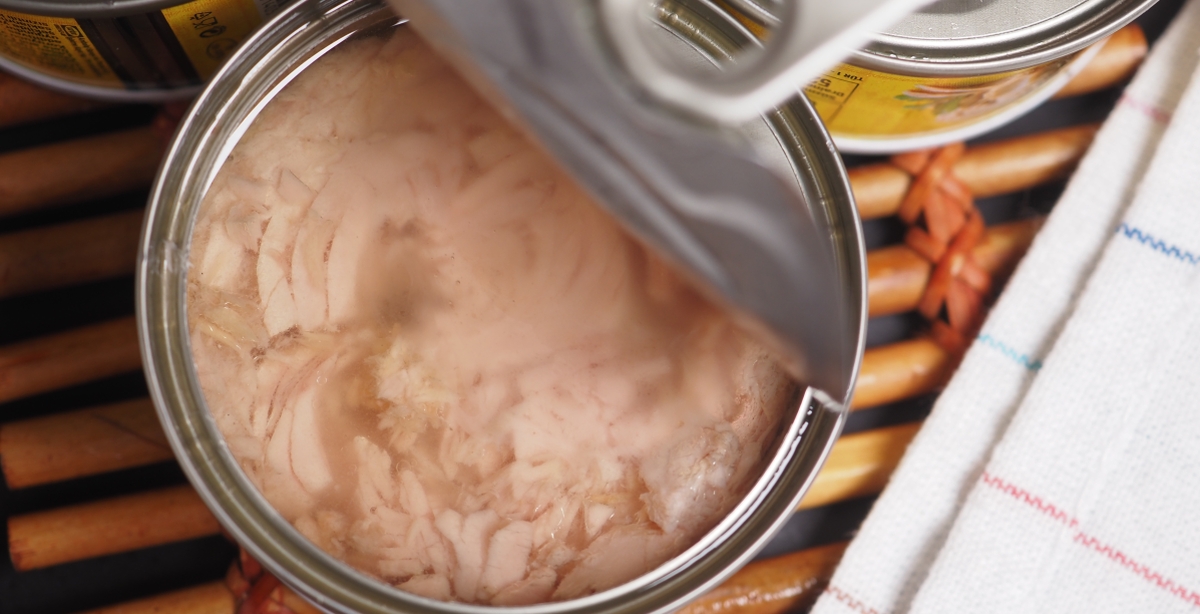
The USDA permits refrigerating unused canned food in its original container. Modern food cans have protective linings designed to prevent direct contact between the contents and the metal. Opening the can, however, exposes the food to oxygen and leaves cut metal edges around the rim.
Acidic foods such as tomato paste and pickled vegetables are more susceptible to flavor changes. The problem isn’t necessarily contamination or spoilage. Chemical reactions can alter the taste before the food shows visible signs of deterioration.
The metal rim becomes exposed when the can opens
Food cans contain protective layers that separate their contents from the underlying metal.
A can opener cuts through those layers, exposing metal around the rim. Metal utensils can also scratch the interior coating.
Once opened, oxygen enters the container and begins reacting with components of the food, including fats.
Food scientist Bryan Quoc Le explains that fat oxidation can produce compounds called aldehydes and ketones, which contribute to stale, rancid, or metallic flavors.
Acids and salts can accelerate reactions involving exposed metal, making tomato paste, chipotles in adobo, olives, and pickled vegetables more vulnerable to flavor changes.
These reactions don’t mean an opened can becomes toxic. Modern cans remain suitable for refrigerated storage under USDA guidance, although the contents may lose quality.
Transfer leftovers to a smaller container
Move unused canned food into a clean, airtight glass or food-grade plastic container after opening.
Choose a container close to the amount of food remaining. Less empty space means less air surrounding the contents.
Cover it, refrigerate it without delay, and mark the opening date so the leftovers don’t get forgotten.
Storage time depends on the food. Follow product instructions and food-safety guidance rather than assuming every canned product lasts the same number of days.
For ingredients used in small quantities, freezing can prevent waste.
Tomato paste can be divided into tablespoon-sized portions, frozen, and transferred to a freezer-safe container. Chipotles in adobo and some sauces can also be portioned for future recipes.
Wrapping the original can in a plastic bag doesn’t eliminate the oxygen already inside, while an airtight container with less headspace can help slow flavor deterioration.
The difference isn’t whether refrigerated food can remain in metal. It can. But transferring the contents limits exposure to air and damaged can surfaces, helping preserve the flavor that may change long before the leftovers are used.
Leave a Reply