

Potatoes can turn dark in a hot skillet before their centers finish cooking, even when the oil temperature and cooking time seem right. The problem may have started days earlier, when the potatoes went into the refrigerator. Cold storage can change the sugars inside the vegetable, affecting how its surface browns during frying or roasting.
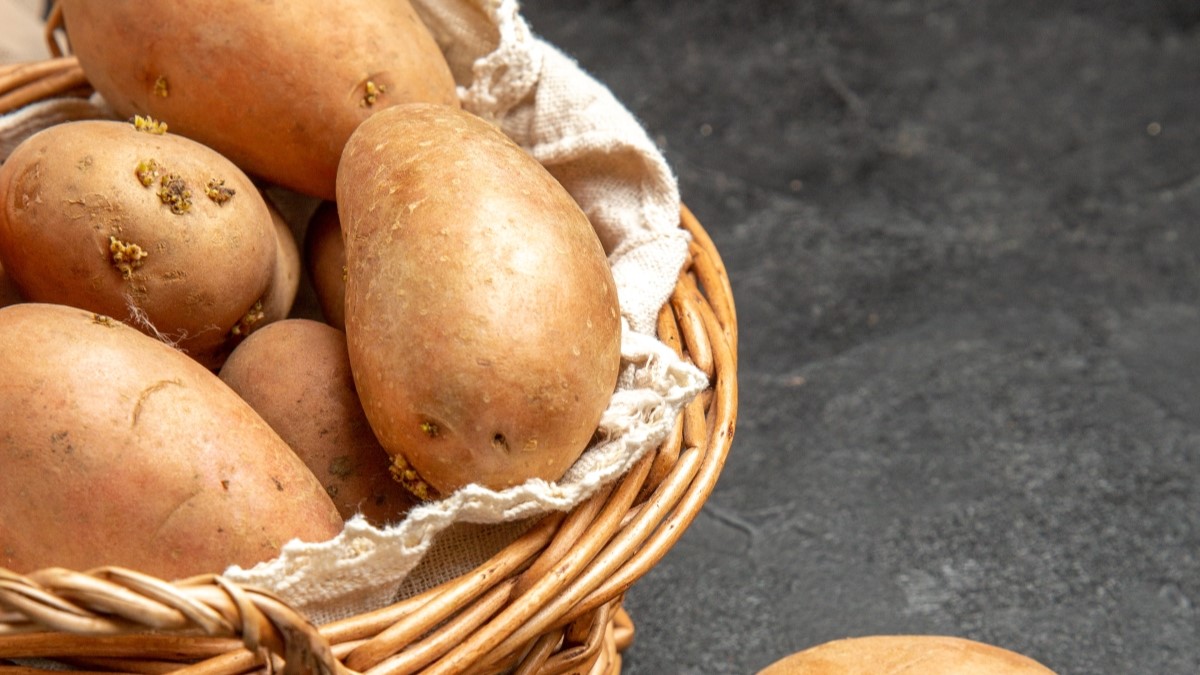
Refrigerator temperatures often fall between 35°F and 38°F (2–3°C), cold enough to trigger a process called cold-induced sweetening. Some of the potato’s starch converts into sugars, which can change its flavor and cause faster browning when exposed to high heat.
The potatoes may look no different when removed from the fridge. The change becomes noticeable during cooking, when their surfaces can develop a darker color sooner than expected.
Cold temperatures change the starch inside potatoes
Potatoes contain substantial amounts of starch, which contributes to their texture when boiled, roasted, or fried.
When stored at low temperatures, enzymes can convert some of that starch into sugars, including glucose and fructose.
These reducing sugars participate in the Maillard reaction during high-temperature cooking, reacting with amino acids to create brown pigments and roasted flavors.
A higher concentration can cause potatoes to darken faster, sometimes before the interior reaches the desired texture.
The extra sugars can also contribute to increased acrylamide formation during frying or roasting. Acrylamide is a compound produced when certain starchy foods cook at high temperatures, and the FDA recommends reducing exposure where practical.
Refrigeration doesn’t mean potatoes become unsafe to eat. The concern described here is how cold storage can affect their cooking properties, particularly when frying.
A cool pantry offers a different storage environment
For potatoes intended for frying or roasting, the source recommends a storage temperature around 45–55°F (7–13°C).
A cool pantry, basement, or ventilated cabinet can provide suitable conditions when temperatures remain within that range.
Keep potatoes away from direct sunlight, which can cause greening, and from heat sources that encourage sprouting.
Paper bags, open cardboard boxes, and ventilated baskets allow air to circulate around the tubers.
Avoid sealing them in plastic bags that trap condensation, and wait until cooking time to wash them.
Potatoes should also be checked during storage, with damaged or decaying pieces removed.
Refrigeration remains an option under some food-storage guidance, particularly when a home has no suitable cool space. The UK Food Standards Agency permits refrigerator storage, although cold-induced sweetening remains a consideration for cooking quality.
If potatoes keep turning dark before they become crisp, the cooking method may not be the only factor. The temperature at which they were stored can influence how much sugar reaches the hot pan, changing the way their surfaces brown.
Leave a Reply