

An opened bottle of hot sauce usually goes straight into the refrigerator, joining ketchup, mustard, and other condiments on the door shelf. But some commercial hot sauces can remain in the pantry after opening without becoming unsafe. The difference comes from their acidity, particularly the vinegar used in many traditional recipes.
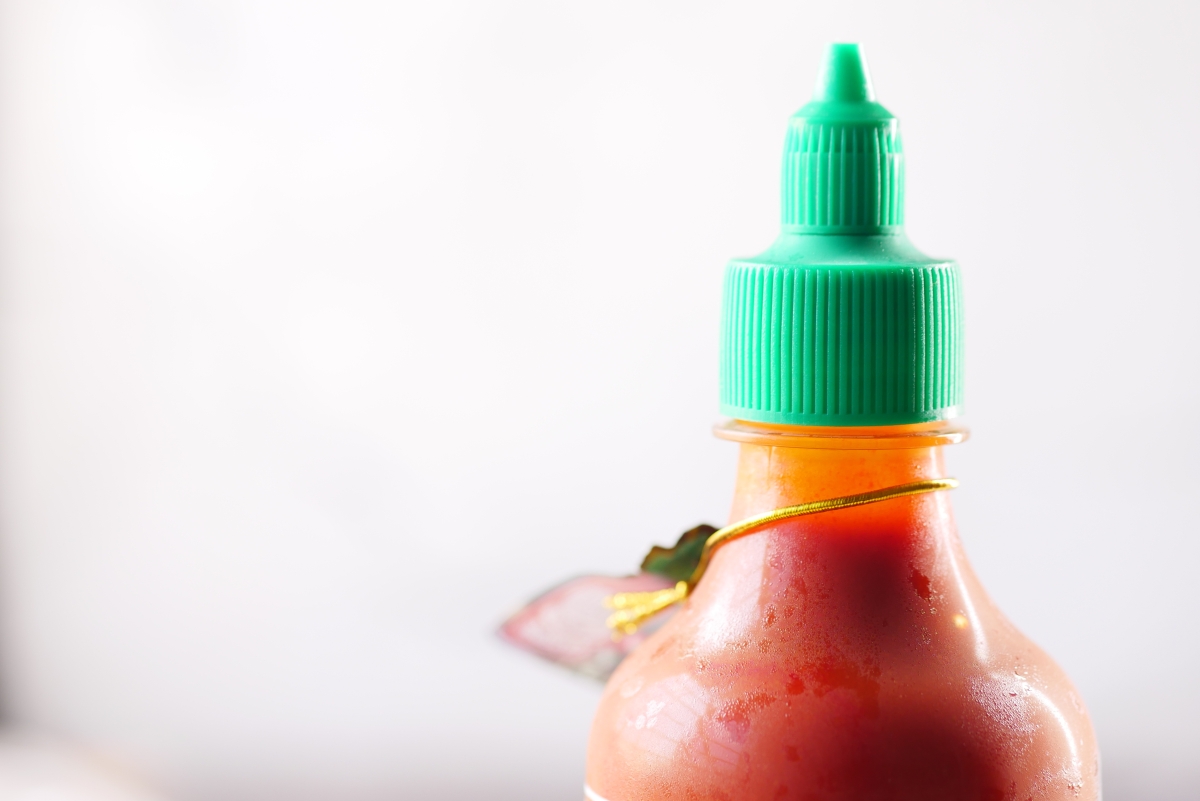
Vinegar lowers the sauce’s pH, creating conditions that inhibit the growth of many harmful microorganisms. That helps explain why certain hot sauces can sit at room temperature long after their seals have been broken, while other sauces require refrigeration.
The exception doesn’t apply to every bottle. Ingredients, acidity, and manufacturing methods determine whether a sauce is shelf-stable, making the storage instructions more important than the assumption that all opened condiments belong in the fridge.
Vinegar helps protect the sauce after opening
Many traditional hot sauces contain chili peppers, vinegar, salt, and water.
Vinegar contributes acetic acid, which lowers the pH and helps prevent the growth of harmful bacteria.
Food safety specialist Curtis Braun of South Dakota State University explains that acids such as vinegar and lime juice can lower a sauce’s pH, helping preserve it.
Chili peppers also contain compounds with antimicrobial properties, although those compounds alone don’t guarantee that a finished sauce is safe at room temperature.
The important factor is the acidity and processing of the complete product, not the presence of one ingredient.
Some hot sauces containing fruit, including mango or pineapple, may require refrigeration depending on their formulation.
Check the manufacturer’s instructions before leaving any opened bottle outside the refrigerator.
Refrigeration can protect flavor even when it isn’t required
A shelf-stable hot sauce may remain safe in the pantry while its appearance and flavor change over time.
Color can darken as ingredients react with oxygen and light, particularly during prolonged storage.
Tabasco’s manufacturer recommends refrigeration to help preserve the sauce’s color, even though its original sauce doesn’t require cold storage after opening.
The USDA FoodKeeper guidance cited by Simply Recipes suggests that an opened bottle of hot sauce can retain quality for up to six months in the pantry, with longer storage possible in the refrigerator.
Individual brands have different recommendations. Some allow extended pantry storage, while others advise using opened bottles within shorter periods.
A best-by date generally refers to expected product quality rather than an automatic safety cutoff, but it doesn’t override refrigeration instructions.
The label matters more than the refrigerator habit
Commercial hot sauces are not all made with the same ingredients or acidity.
Sauces containing fresh fruit, vegetables, or other perishable ingredients may require refrigeration, while properly formulated vinegar-based sauces can be shelf-stable.
Homemade hot sauce also needs separate consideration because its acidity and processing may not match commercial products.
Keep bottles closed between uses, avoid contaminating the opening with food, and discard sauces showing mold or other signs of spoilage.
The next time an opened bottle of hot sauce needs a storage spot, check its label before moving it into the refrigerator. Vinegar may make pantry storage possible, but the manufacturer’s instructions determine whether that particular sauce can stay there.
Leave a Reply