

When temperatures drop, scratching near the laundry room can leave you wondering how mice got into an otherwise tidy house. The place to check may be closer to your next load of laundry than you think.
A few droppings appear on the laundry room floor after a cold night, even though the front door closes snugly. Checking around the door may turn up nothing because the entry point is easy to overlook. A closer look at one small part of the house could reveal a simple fix.
A dryer vent cover can block a small winter entry point
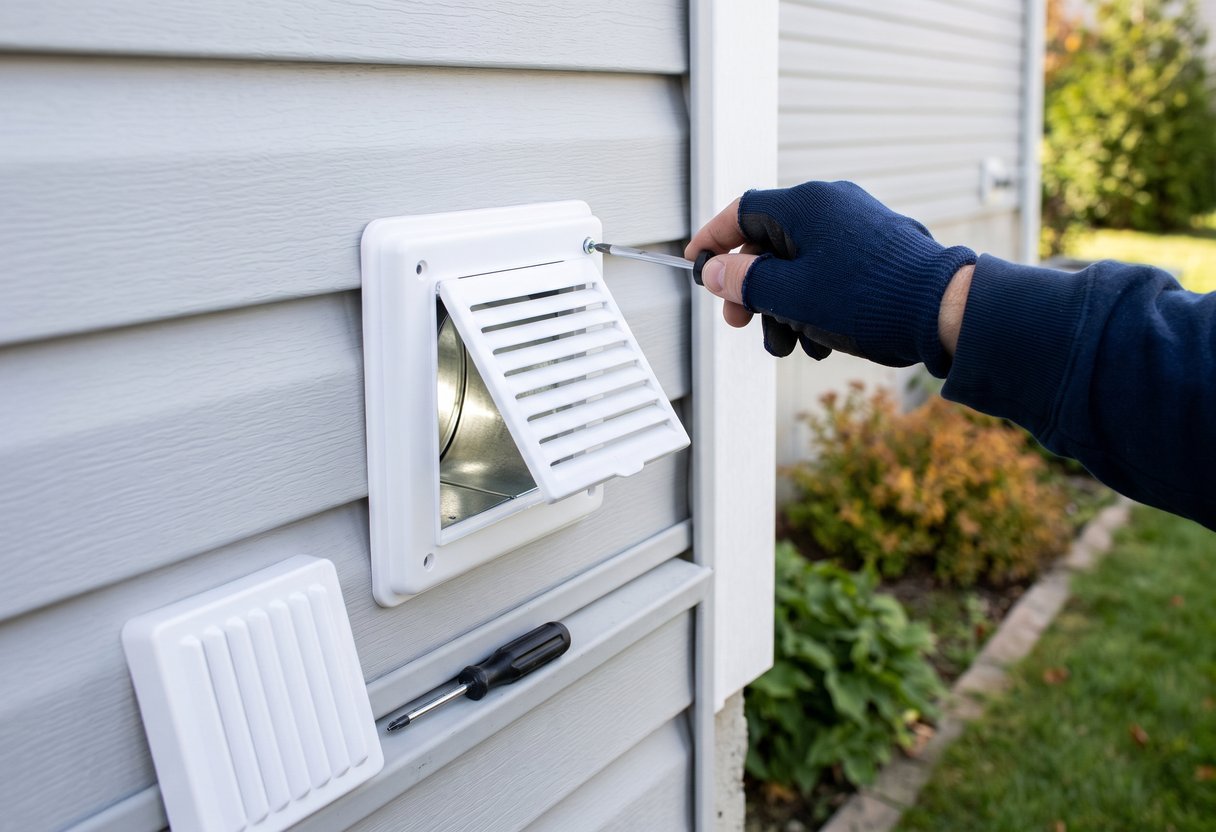
A basic exterior dryer vent cover, available at the low end of the market for about $5, can help keep mice out of the duct. It belongs over the outdoor opening where the dryer releases warm air, and its backdraft damper should close when the dryer is off. That closed flap makes it harder for mice to enter without blocking exhaust while the dryer runs.
- Neither oven cleaner nor steel wool, the two-ingredient paste that lifts the brown off old baking sheets
- Your Crock-Pot has a line inside the ceramic, and filling past it is why dinner comes out watery
Dryer vents are easy to overlook during fall and winter, when mice seek warmer shelter. House mice can squeeze through openings only slightly larger than 1/4 inch (6 mm), so a warped cover or a flap held open by lint may leave enough room. Once inside, mice can chew through lightweight plastic, vinyl, or foil duct materials, potentially creating another route into the house.
Damage and a stuck flap are signs to check
Look at the exterior cover while the dryer is off. Its flap or slats should close fully; tooth marks, chewed edges, and visible gaps suggest the cover needs attention. Lint buildup can also prevent an aging flap from closing, even when the cover appears intact from a distance.
Scratching sounds near the dryer, holes in the exhaust duct, unusual odors, or small droppings near the appliance may point to activity inside the vent system. A new cover will not remove a mouse or nesting material already in the duct. If those signs are present, stop using the dryer until the vent has been inspected and cleared; debris in an exhaust duct can obstruct airflow.
The right cover keeps airflow open
For a gap around the outside edge of the vent, pack steel wool into the gap and secure it with caulk, keeping both materials out of the vent opening and away from the moving flap. Steel wool resists chewing better than spray foam, which mice can bite through. If the cover itself is damaged or will not close, replace it rather than trying to seal the flap shut.
Choose a cover with a working backdraft damper, and check that it opens freely when the dryer runs and closes afterward. The 2021 International Residential Code, section M1502.3, calls for a backdraft damper and prohibits a screen at the dryer exhaust outlet. A screen may seem like an extra pest barrier, but it traps lint and raises fire risk. Basic plastic pest-resistant covers start around $5, while sturdier or magnetic-flap designs can cost substantially more; price alone does not establish that a cover is suitable for a dryer.
Existing activity calls for more than a new cover
If mice have entered, a pest control professional can assess the infestation; service may cost $50 to $500 depending on its severity. Keep any pest-control products away from children and pets, and have a damaged duct repaired or replaced by a qualified professional rather than covering a hole and leaving the damage in place.
After the vent is clear and repaired, check the exterior flap periodically for lint, damage, and a complete seal when the dryer is off. Replace a cover that no longer closes instead of waiting for another cold-weather visit.



Leave a Reply