

A can of beans makes weeknight dinner easy, but the sodium number on the label can give you pause. What happens between opening the can and serving dinner may matter more than you think.
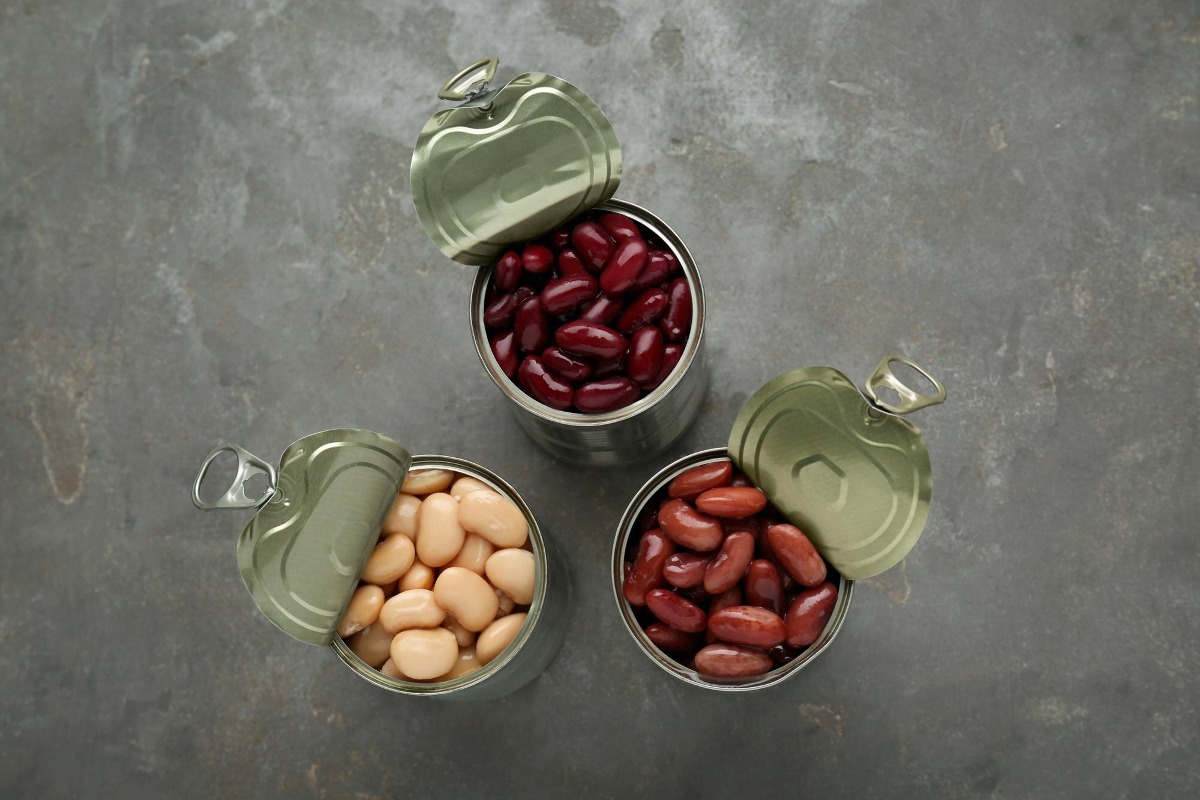
A pot of chili simmers while a can of kidney beans waits on the counter. Choosing a different brand may seem like the only response to a high sodium number, but that leaves out what happens after the can is opened. A small choice during prep is worth a closer look, especially since the results are not the same for every canned food.
Draining and rinsing canned beans reduced their sodium by 41% on average in a study by Jones and Mount. Much of the added sodium is dissolved in the packing liquid or left on the beans’ surfaces, so removing the liquid and washing the beans lowers the amount that reaches the plate.
- Your oven dial has been off by up to 25 degrees, and a $7 gadget proves it
- Not oven cleaner and not steel wool, the way to get the baked-on brown off oven racks overnight in the bathtub
Canned beans are convenient and shelf-stable, but their sodium content matters to people trying to limit salt, including those managing high blood pressure. Rinsing offers a way to use regular canned beans when lower-sodium beans are not available. It reduces sodium; it does not remove all of it.
Draining removes more sodium than rinsing adds
Jones and Mount tested 5 types of canned beans from different manufacturers. In their study, draining alone lowered sodium from 503 mg to 321 mg per serving, a 36% reduction. Draining followed by rinsing lowered it to 295 mg per serving, a 41% reduction from the original amount.
The distinction matters when a recipe calls for the bean liquid. Draining pours away sodium dissolved in that liquid, while rinsing washes off more sodium left on the beans. The 36% reduction from draining is substantial on its own, but the extra rinse lowers it further.
Results for other canned vegetables should not be treated as bean results. In a separate USDA Agricultural Research Service study, draining canned green beans alone did not lower their sodium, while rinsing reduced it by 7%. The effect depends on the food and where its sodium is held.
A colander makes the rinse straightforward
Pour the beans into a colander and let the packing liquid drain away. Run cold water over the beans for about 30 seconds, gently stirring so water reaches the beans underneath. Let them drain again, then shake off excess water before adding them to a dish.
For a salad or another recipe where extra water would be noticeable, pat the beans dry with a clean kitchen cloth or paper towel. Rinsing also removes some surface starch, which may change the texture of the finished dish. If a recipe relies on the bean liquid for thickness, draining and rinsing will change that result.
Rinsing has limits
The 41% figure is an average from the beans tested, not a guarantee for every can. Thick sauces on baked beans or chili are difficult to rinse away without losing the dish itself, and rinsing will not reliably remove salt incorporated into a cured or brined food. For those products, choose a lower-sodium option instead of counting on a rinse.
Draining and rinsing can also wash away some water-soluble nutrients. Do not use soap or cleaning chemicals on food, and do not treat rinsing as a way to make food from a damaged or suspect can safe to eat. For plain canned beans, a colander and a brief water rinse are the practical choice when reducing sodium matters more than keeping the packing liquid.


Leave a Reply