

Opened ham can sit in the refrigerator for a week and still look pink, smell normal, and show no visible signs of spoilage. That makes it tempting to use the remaining slices in a sandwich or breakfast. But appearance doesn’t reveal everything happening inside the package, and the date it was opened can matter more than the smell.
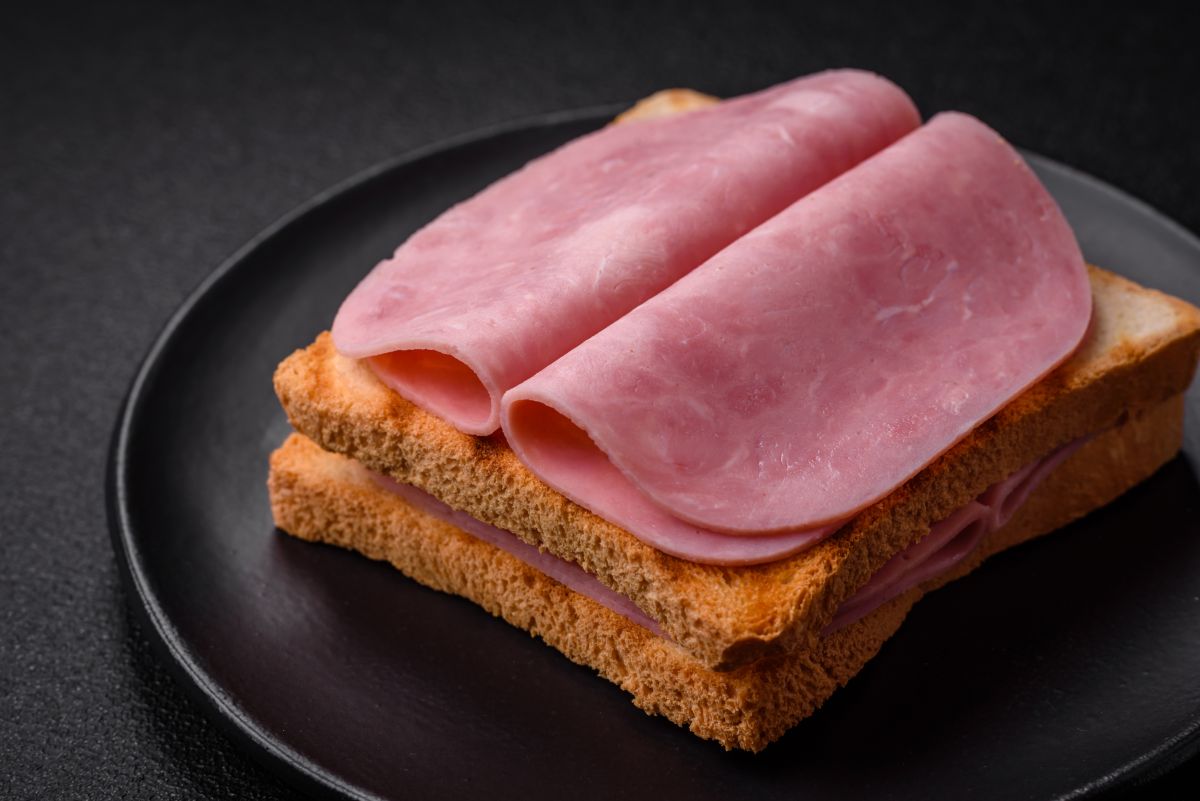
Cooked ham and opened deli ham have a limited refrigerated storage period, even when kept in sealed containers. The recommended window is three to five days at 40°F (4°C) or below, according to the food-storage guidance discussed by Homemaking.
The problem is that bacteria capable of causing foodborne illness don’t always produce the odors, slime, or color changes people associate with spoiled meat. A package can pass the smell test without providing any assurance that its contents remain safe.
Opening the package changes the storage clock
Unopened packaged ham may have a use-by date that extends beyond several days, depending on how the product was processed and packaged.
Once the seal is broken, the meat becomes exposed to air, handling, and potential contamination.
Opened deli ham and refrigerated lunch meat should generally be used within three to five days.
The same storage window applies to many cooked ham leftovers, including slices carved from a holiday roast.
Thinly sliced ham has more exposed surface area than a whole piece, while repeated handling can introduce additional microorganisms.
Keep the meat refrigerated at or below 40°F (4°C), and place leftovers in the refrigerator within two hours of serving.
Writing the opening date on the package or storage container removes the guesswork when several days have passed.
A normal smell doesn’t prove the ham is safe
Spoilage bacteria can produce noticeable changes in food, including sour odors, sticky surfaces, and discoloration.
Disease-causing bacteria may be present without producing those warning signs.
That distinction makes smell and appearance unreliable tests for determining whether refrigerated ham is safe to eat.
Discard ham showing slime, mold, unusual odors, or other signs of spoilage, even when it remains within the recommended storage period.
Don’t taste questionable ham to decide whether it is safe.
If the meat has been refrigerated beyond its recommended storage window, a normal appearance doesn’t extend that period.
For ham that won’t be eaten within three to five days, freezing it before the storage window expires can preserve it for later use.
The source recommends using frozen cooked ham within three to four months for the best quality, although food kept frozen at 0°F (-18°C) remains safe beyond that period.
The next time an opened package of ham looks fine in the refrigerator, check when the seal was broken before deciding to eat it. The absence of a bad smell isn’t proof of safety, but the opening date provides a useful storage deadline.
Leave a Reply