
Roasted potatoes seem foolproof. Cut, oil, season, roast. Yet somehow they still come out pale, soft, or oddly slick instead of crisp and golden. The problem usually is not the oven temperature or the seasoning. It happens much earlier, during prep.
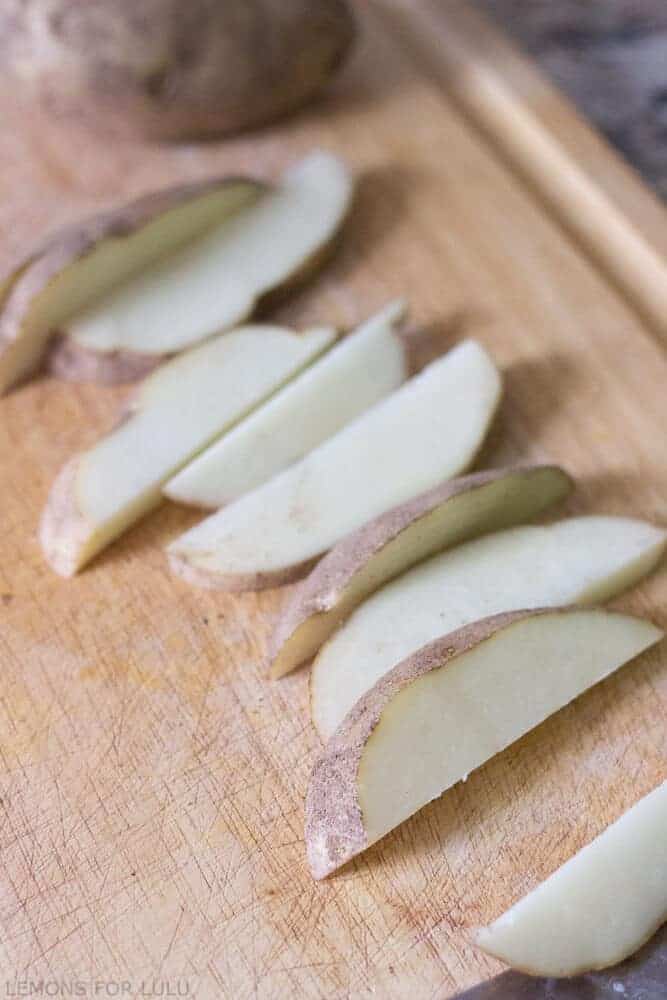

The most common mistake is skipping the drying step after washing or par-boiling the potatoes. Moisture is the enemy of crispness. When wet potato surfaces hit hot oil and heat, they steam instead of roast. That trapped steam keeps the exterior soft and prevents browning, no matter how long they stay in the oven.
Par-boiling helps remove excess starch, which is essential for crisp edges, but it creates a second issue if handled incorrectly. After boiling, potatoes release steam and hold surface moisture. If they go straight from the pot to oil, the starch that remains mixes with water and forms a slippery coating. Instead of crunch, you get soggy skins and a gummy texture.
The fix is simple but non-negotiable. After par-boiling, drain the potatoes in a colander and let them sit uncovered or loosely covered with a clean towel. This allows steam to escape and the surface to dry. If time allows, letting them cool fully or even rest in the fridge makes the difference even more dramatic.
Once dry, spacing matters just as much. Potatoes need room. Crowding them on a baking sheet traps moisture and recreates the steaming problem you just avoided. A single layer, even if it means using two pans, gives heat and oil direct contact with the surface.
For extra crispness, a small amount of baking soda in the boiling water breaks down the outer structure of the potatoes, helping starch release and roughening the surface. That rough texture is what oil clings to, creating the deep golden crust people expect from restaurant-style roasted potatoes.
Perfect roasted potatoes are not about tricks or fancy ingredients. They are about controlling moisture. Dry them properly, give them space, and the crunch takes care of itself.
Leave a Reply